

City Planning

Smarter Cities with DBF Engine

At DBF, we believe better cities start with better decisions. That's why we equip planners to drive long-term impact—merging urban data, sustainability metrics, and tools like the urbn index to shape liveable, resilient cities through lifetime projects.

GET STARTED
City Planning with DBF Engine

How DBF Engine Enhances Urban Planning

City planners and government agencies face an overwhelming amount of data that is often siloed, demographics, amenity planning, green access, infrastructure allocation, heat-island performance, environmental metrics, and more. DBF Engine processes and analyzes a wide range of authoritative and open source data to generate actionable recommendations, helping planners make informed decisions.

  • Scenario Modeling
    Generate and compare multiple urban planning scenarios to evaluate impacts on livability, sustainability, and infrastructure — enabling evidence-based, long-term planning decisions.
  • Parcel or Zoning Optimization
    +
    Optimize parcel configurations and zoning strategies to balance density, affordability, and sustainability across every land use decision.
  • Climate Resilience Planning
    +
    Plan for climate resilience by analyzing heat islands, flooding risks, and environmental impact — identifying vulnerable zones and mitigating risks before they materialize.
  • Quality of Life Analysis
    +
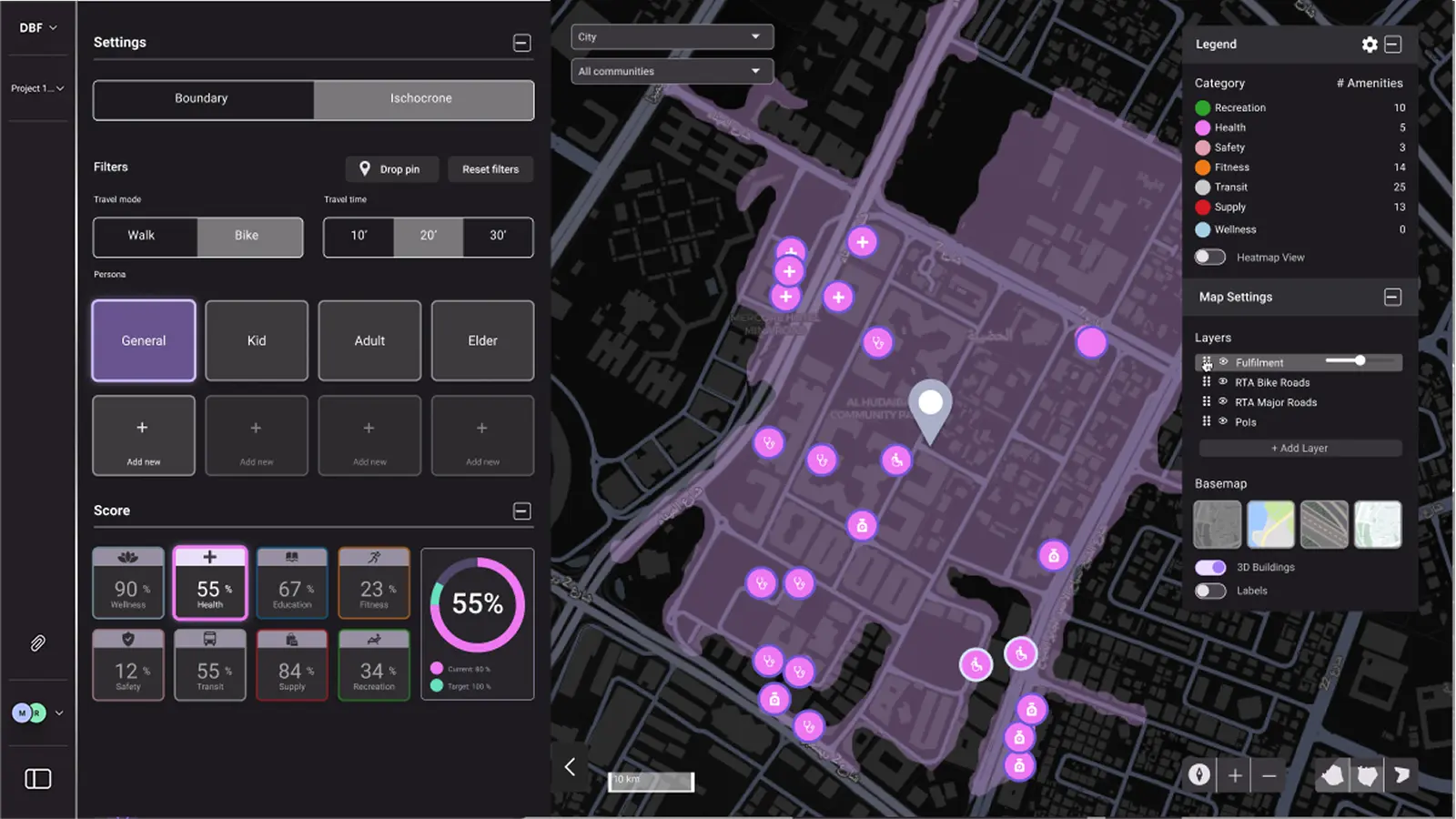
    Measure and improve quality of life through access to amenities, transit connectivity, and livability metrics — validated in real time as you design.

Advantages
  • 0.1
  • 0.2
  • 0.3
  • 0.4
0.1

Clear Visualization of Transit Scenarios

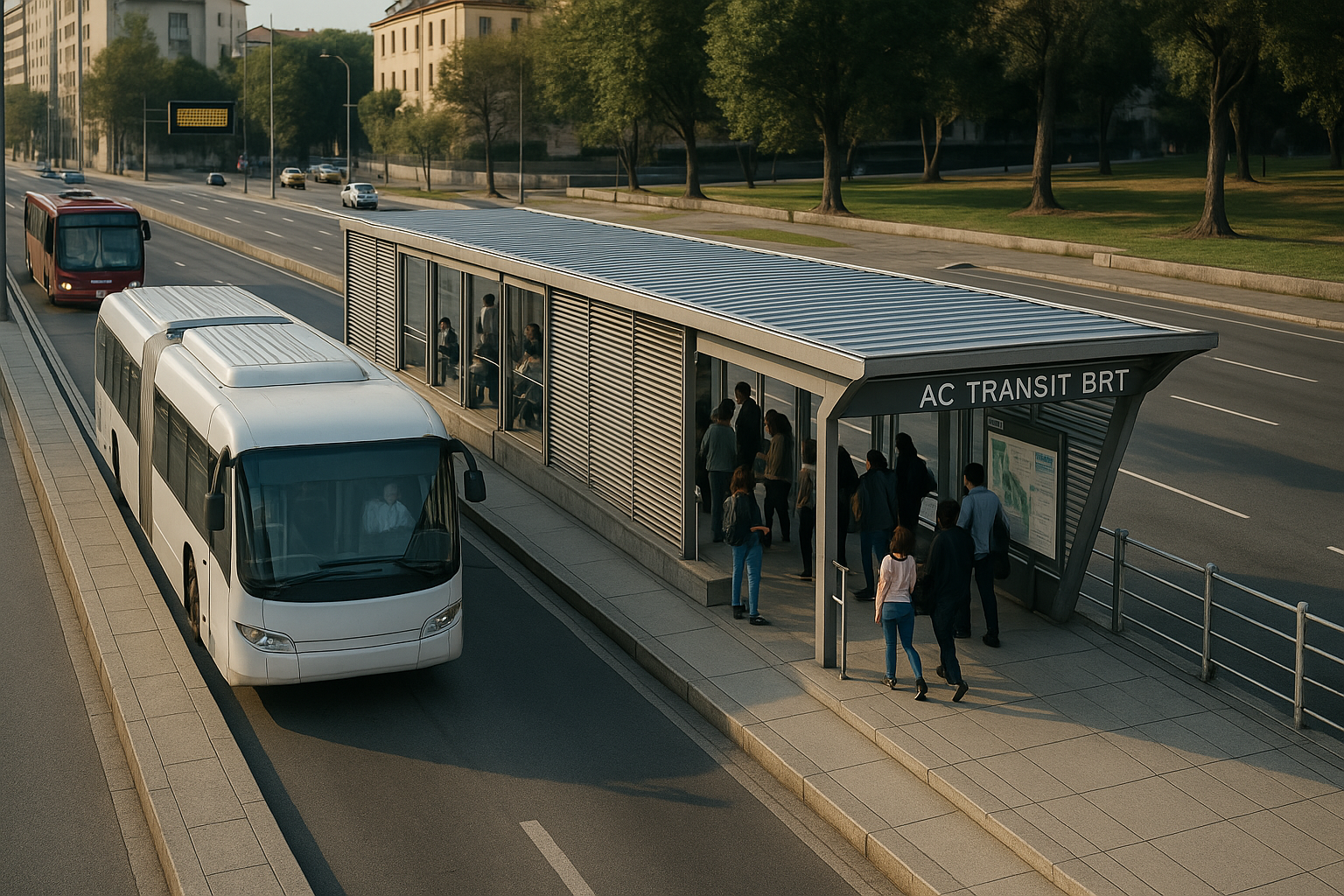
Visualize and compare multiple transit planning scenarios with intuitive dashboards. Enable stakeholders to understand complex urban mobility impacts through clear, data-driven visual outputs that support faster, more confident decisions.

Clear Visualization of Transit Scenarios
0.2

Improved Livability and Lower Emissions

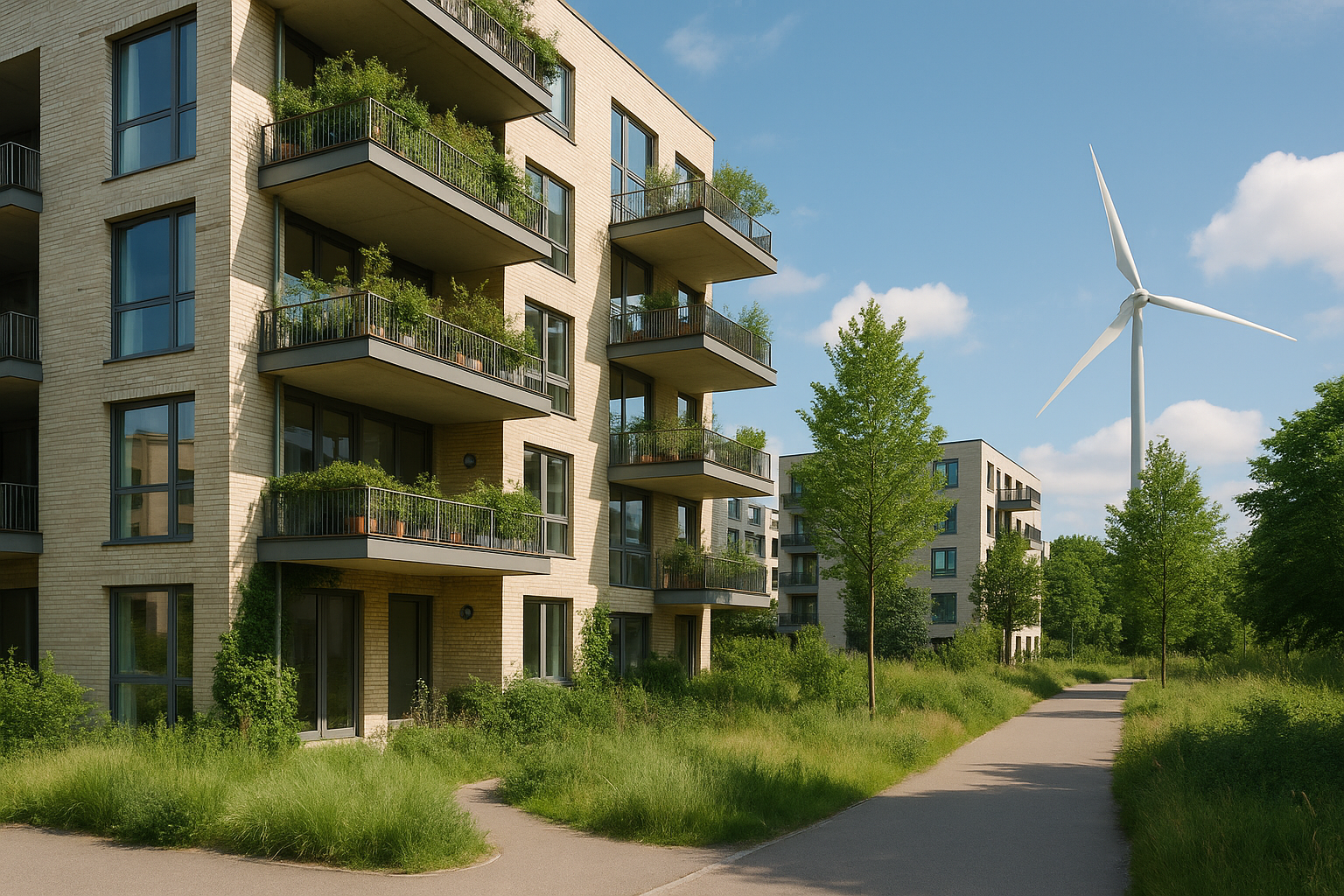
DBF Engine optimizes city layouts for walkability, green access, and transit proximity — directly improving quality of life metrics while reducing per-capita carbon emissions across the urban fabric.

Improved Livability and Lower Emissions
0.3

Reduces Cycles, Errors, and Improves Outcomes

Automate time-consuming data cycles and eliminate manual errors. DBF Engine streamlines the planning workflow from data ingestion to scenario validation, delivering more accurate outcomes in a fraction of the time.

Reduces Cycles, Errors, and Improves Outcomes
0.4

Supports 15-Minute City and Quality of Life Index

Built-in support for 15-Minute City principles and the DBF Quality of Life Index. Every scenario is scored against livability targets — ensuring planning decisions put people and sustainability at the centre of every city.

Supports 15-Minute City and Quality of Life Index

"Cities face unprecedented challenges—climate breakdown, resource scarcity, rapid urbanization, and social inequality. Digital Blue Foam develops solutions empowering planners with intelligent insights for resilient, inclusive, sustainable cities."

Camiel Weijenberg, CEO & Cofounder


Use Cases for DBF Engine at the City Scale

15-Minute City Planning

Design compact, walkable neighbourhoods where residents can access all essential services within a 15-minute walk or cycle, improving quality of life and reducing car dependency.

Smart City Development

Integrate IoT infrastructure, mobility data, and urban analytics into planning scenarios to build cities that continuously adapt to the needs of their populations.

Mixed-Use Complexes

Evaluate multiple layout configurations balancing residential, commercial, and public space needs while meeting sustainability and density targets across large development sites.

Transport Hubs and Airports

Generate city plans for large-scale transport infrastructure that optimise passenger flow, land use efficiency, and intermodal connectivity across airports, railway stations, and ports.

Innovation and Tech Campuses

Design knowledge districts and tech campuses that attract talent, foster collaboration, and integrate sustainability targets from the earliest planning stages.


Frequently asked questions

Common questions from our prospects.

Open all FAQ ↗
What is sustainability in building design?
+
Sustainability in building design is how efficiently the building saves resources while being built and operated. It means designing structures that minimise energy use, reduce carbon emissions, conserve water, and create healthy indoor environments — assessed across the full lifecycle of the building.
What is sustainable urban planning?
+
Urban planning places all the features — including buildings, landscapes, neighbourhoods, and infrastructure — in a thoughtful arrangement that serves people now and in the future. Sustainable urban planning integrates environmental, social, and economic goals to create resilient, liveable cities.
How do you create a sustainable building?
+
To create a sustainable building, we need to check that the building leaves a minuscule carbon footprint throughout its lifecycle — from material sourcing and construction to operation and eventual demolition. This begins with passive design strategies: orientation, massing, and natural ventilation, before layering in efficient systems.
How does Digital Blue Foam analyze sustainability?
+
DBF Engine processes and analyzes a wide range of authoritative and open source urban data to generate actionable recommendations. We provide precise and up-to-date site analysis, KPI validation, and sustainability metrics — including green cover ratios, walkability scores, and climate resilience indicators — computed in real time as you design.

The latest from DBF

View all posts ↗

We are a team of scientific polymaths, designers, and coders, driving the next revolution in complex project delivery.

AI-Powered City Planning for Smarter, More Resilient Urban Futures

GET STARTED ↗