
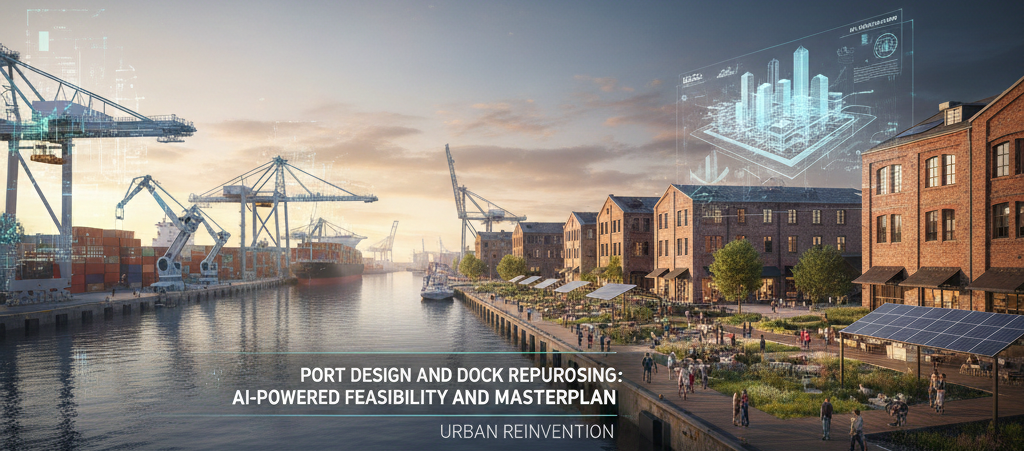
Validate port terminal layouts, berth configurations, and logistics flow — or unlock regeneration potential for legacy dock infrastructure, before committing to major capital investment.
Port terminal planning errors — misaligned berth configurations, suboptimal logistics flow, or missed regeneration potential — create operational and commercial losses that compound over decades. For legacy dock regeneration, an underevaluated redevelopment option represents irreversible value destruction for surrounding communities and investors alike.
| Without DBF | With DBF |
|---|---|
Berth configuration and terminal flow validated manually |
AI generates port layout scenarios scored against throughput and logistics KPIs |
Regeneration potential of legacy dock land assessed sequentially |
Multiple redevelopment scenarios tested simultaneously |
Infrastructure demands estimated, not modelled |
Utilities, access, and logistics infrastructure sized from feasibility data |
Sustainability and mixed-use targets bolted on |
Sustainability KPIs and mixed-use programme validated from the first iteration |
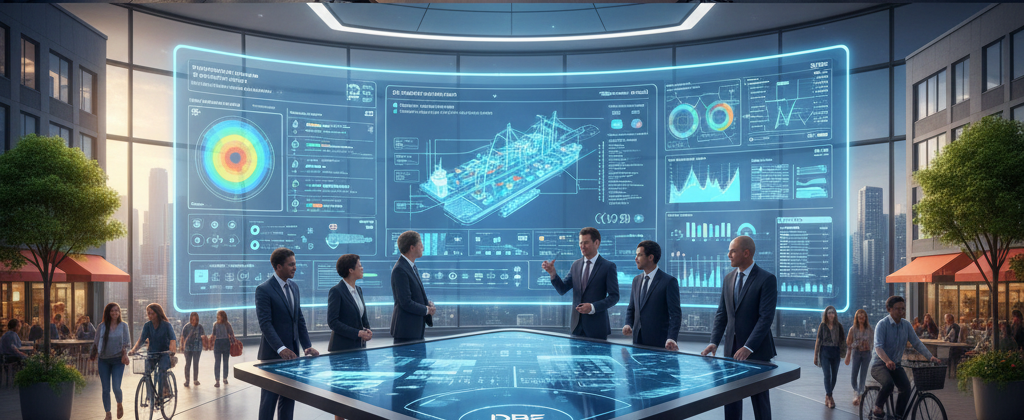
Upload site constraints, throughput targets, and operational requirements. DBF maps logistics brief data to spatial parameters.
AI generates logistics facility configurations scored against throughput, efficiency, and operational KPIs simultaneously.
Every dock, bay, aisle, and vehicle routing scenario validated against throughput targets before design begins.
Automation zone configurations tested for current and next-generation technology — sizing for the operation, not the design.
Candidate sites tested simultaneously against the same operational brief, with comparable outputs for investment decisions.
BIM-ready programme data, sustainability metrics, and planning authority report outputs delivered from feasibility.
Every DBF capability is designed for the specific demands of port terminal planning and dock regeneration — where logistics flow, berth configuration, and regeneration potential interact at the scale of major public and private investment.
Validate terminal expansion and reconfiguration options against throughput targets, berth configuration requirements, and long-term trade growth scenarios.
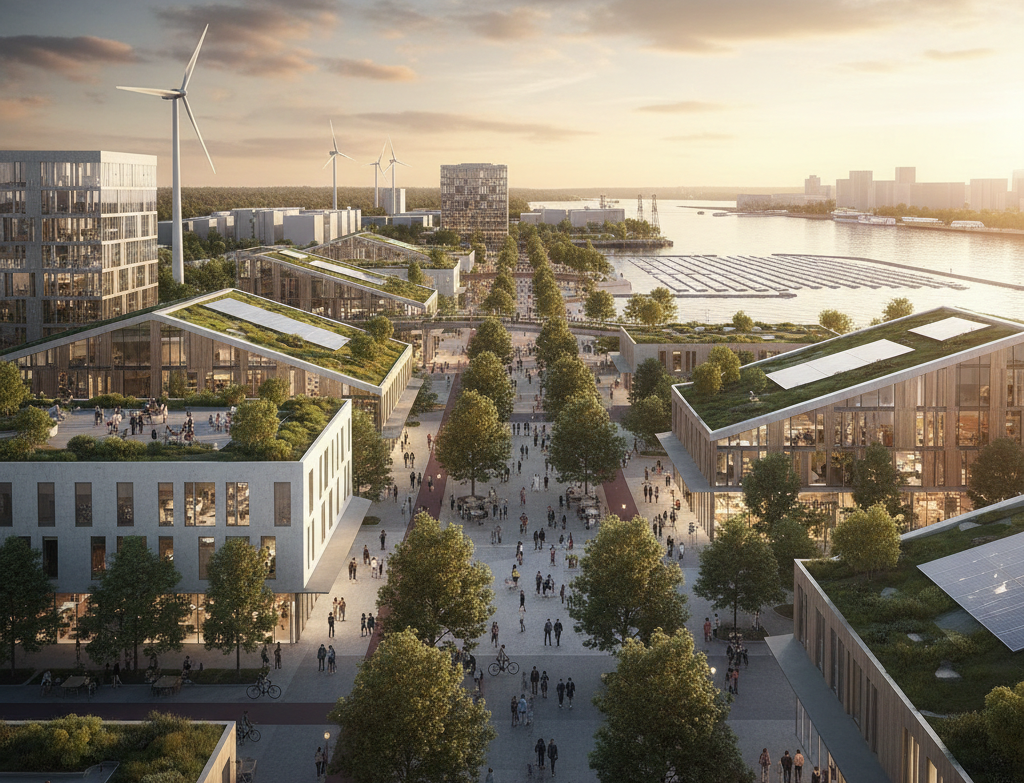
Test multiple dock regeneration scenarios simultaneously, comparing mixed-use programme, infrastructure investment, and liveability outcomes for planning alignment.
Assess legacy dock and waterfront development scenarios against mixed-use programme requirements, planning constraints, and investment return targets.
Evaluate port and dock regeneration options with comparable spatial evidence — supporting faster planning authority decisions with validated development scenarios.
As global trade patterns shift and legacy port infrastructure reaches end of life, the need for data-driven terminal planning and regeneration feasibility will grow. Logistics flows will evolve, mixed-use demands on waterfront land will intensify, and the value of evidence-based planning decisions will increase. DBF enables teams to validate more options earlier and with greater commercial confidence — planning ports and waterfronts that serve communities and economies for generations.