
Building Planning

Smarter Cities with DBF Engine

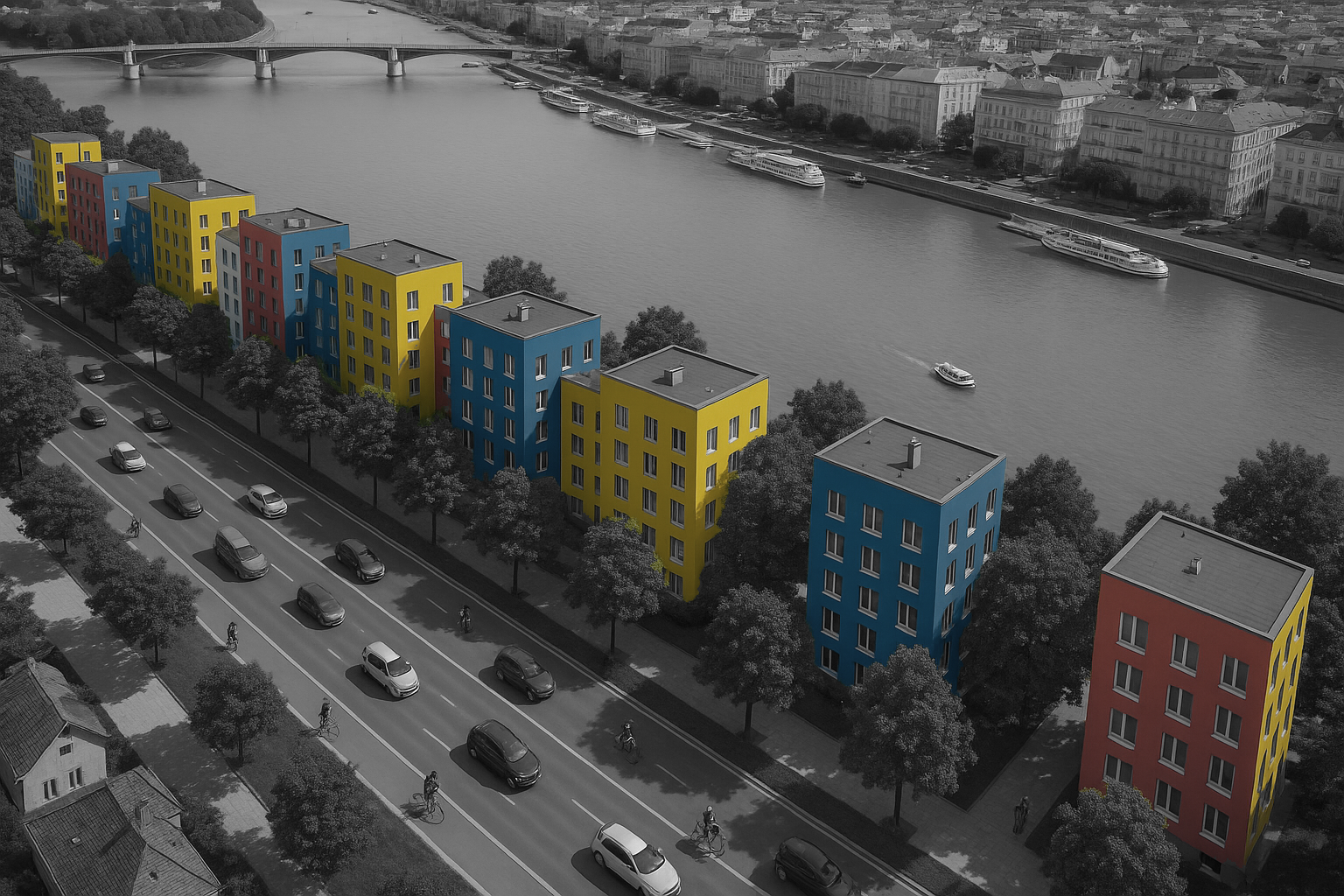
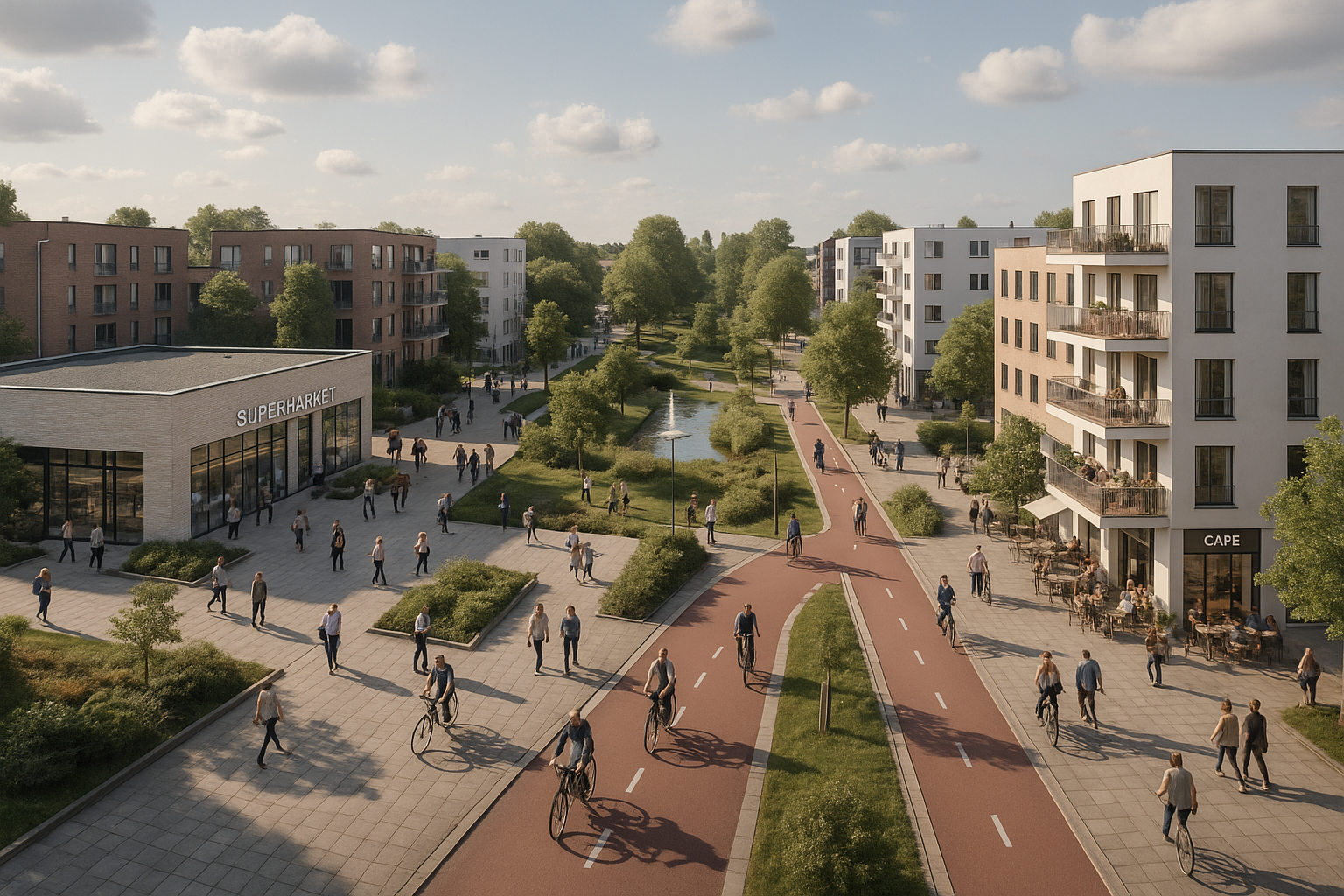
DBF integrates urban data with sustainability metrics and tools like the Urbn Index to empower city planners. Through Scenario Planning and alignment with Quality of Life programs, we help shape Lifetime projects that deliver more livable, resilient urban environments.

GET STARTED
Site Stack Building Infrastructure
Grid
Room layout
2D
3D
Building Infrastructure
Massing Typology
Active
Cost$71,500
Length143m
Inactive
Cost$71,500
Length143m
Inactive
Cost$71,500
Length143m

How DBF Engine Enhances Building Planning

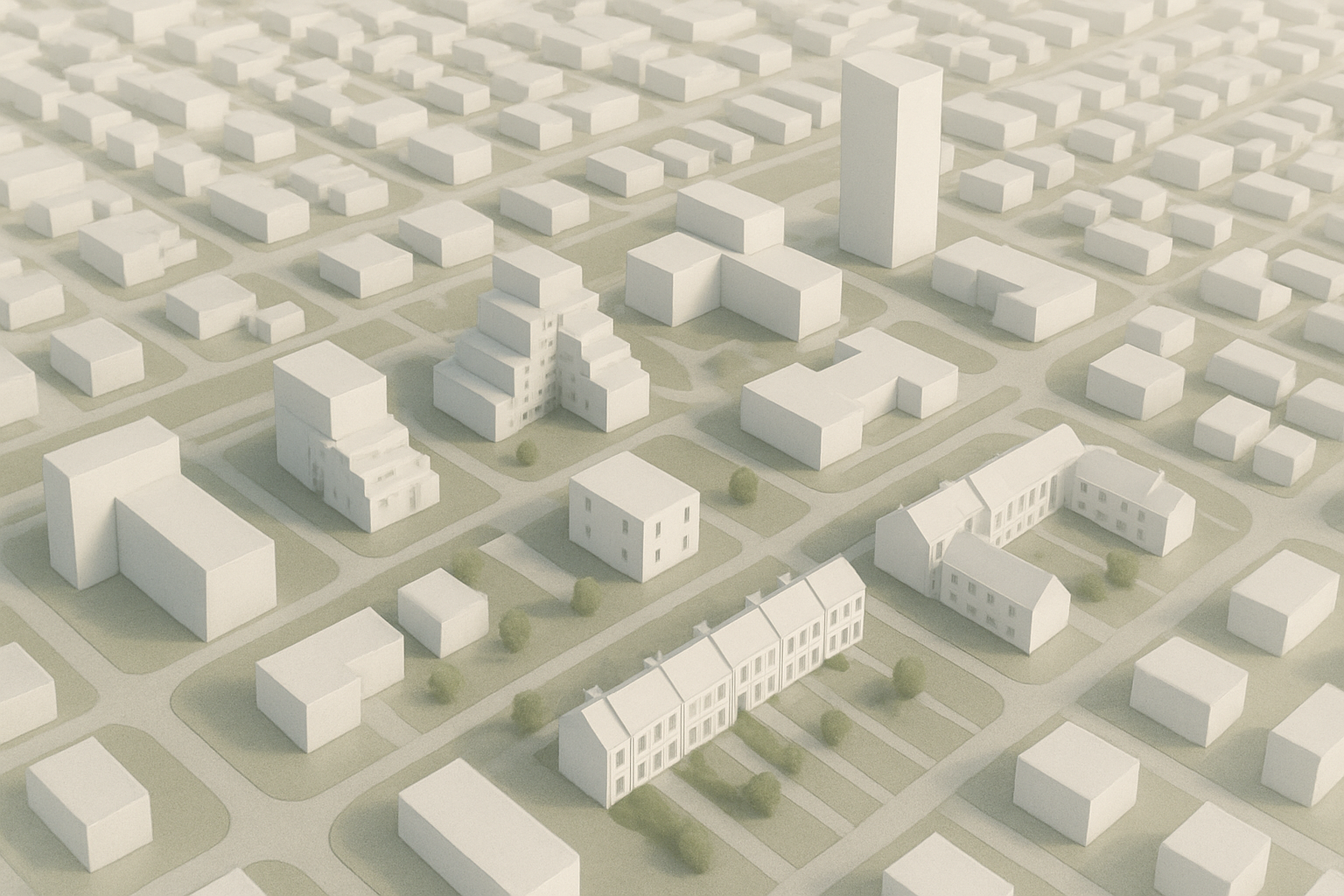
DBF Engine applies generative design algorithms and real-time data analysis to create high-performance building models that account for environmental impact, zoning regulations, and urban context. Our AI-driven platform generates massing models that optimize natural light, airflow, and energy efficiency — helping architects design buildings that are visually compelling, sustainable, and compliant.

By incorporating contextual data such as neighboring structures, landscape elements, and site constraints, DBF Engine lets teams explore multiple massing configurations while staying within project requirements — minimizing iteration cycles and improving overall outcomes.

Our platform enables:

  • Massing + Typology Generation
    Instantly generate and iterate on massing models and building typologies based on zoning and site constraints — without manual modelling.
  • Environmental Context Awareness
    +
    Visualise buildings in photorealistic 3D environments with accurate surroundings, setbacks, and height restrictions.
  • Real-Time KPIs
    +
    Access instant data on GFA, FAR, unit mix, coverage, and more to validate designs as you build them.
  • Seamless BIM Integration
    +
    Export designs in IFC format to continue work in Revit, Archicad, or your preferred BIM tool.

Advantages
  • 0.1
  • 0.2
  • 0.3
  • 0.4
0.1

Unit Generation for Optimal Space Utilization

Automatically generate and validate apartment, office, or hotel unit layouts by defining minimum unit sizes and preferred configurations — maximising usable floor area across any typology.

Unit generation for optimal space utilization
0.2

Generate Massing with Custom Typologies

Choose from default typologies or create custom massing models that dynamically adapt to changes in site constraints, program requirements, and planning regulations.

Generate massing with custom typologies
0.3

Photorealistic 3D Context

Incorporate detailed 3D photorealistic datasets into your designs, capturing surrounding buildings, terrain, and urban fabric for accurate contextual analysis.

Photorealistic 3D context
0.4

Drag-and-Drop Inputs and Constraints

Easily upload and incorporate volumetric constraints to ensure your designs adhere to building height limits, setbacks, and other planning requirements.

Drag-and-drop inputs and constraints

"Cities face major challenges — from climate breakdown and resource scarcity to rapid urbanisation and ageing infrastructure. DBF Engine gives planners the analytical power to make better decisions, faster."

Camiel Weijenberg, CEO and Co-Founder of DBF


Use Cases for DBF Engine at the City Scale

High-Rise Commercial Towers

Generate massing models that maximise usable floor area, comply with zoning codes, and optimise natural light and ventilation across multiple design iterations.

Mixed-Use Developments

Evaluate multiple layout configurations to balance residential, commercial, and public space needs while meeting sustainability and density targets.

Educational and Institutional Buildings

Design campuses with energy-efficient buildings by analysing solar exposure, airflow, and proximity to amenities for optimal user experience.

Sustainable Housing Projects

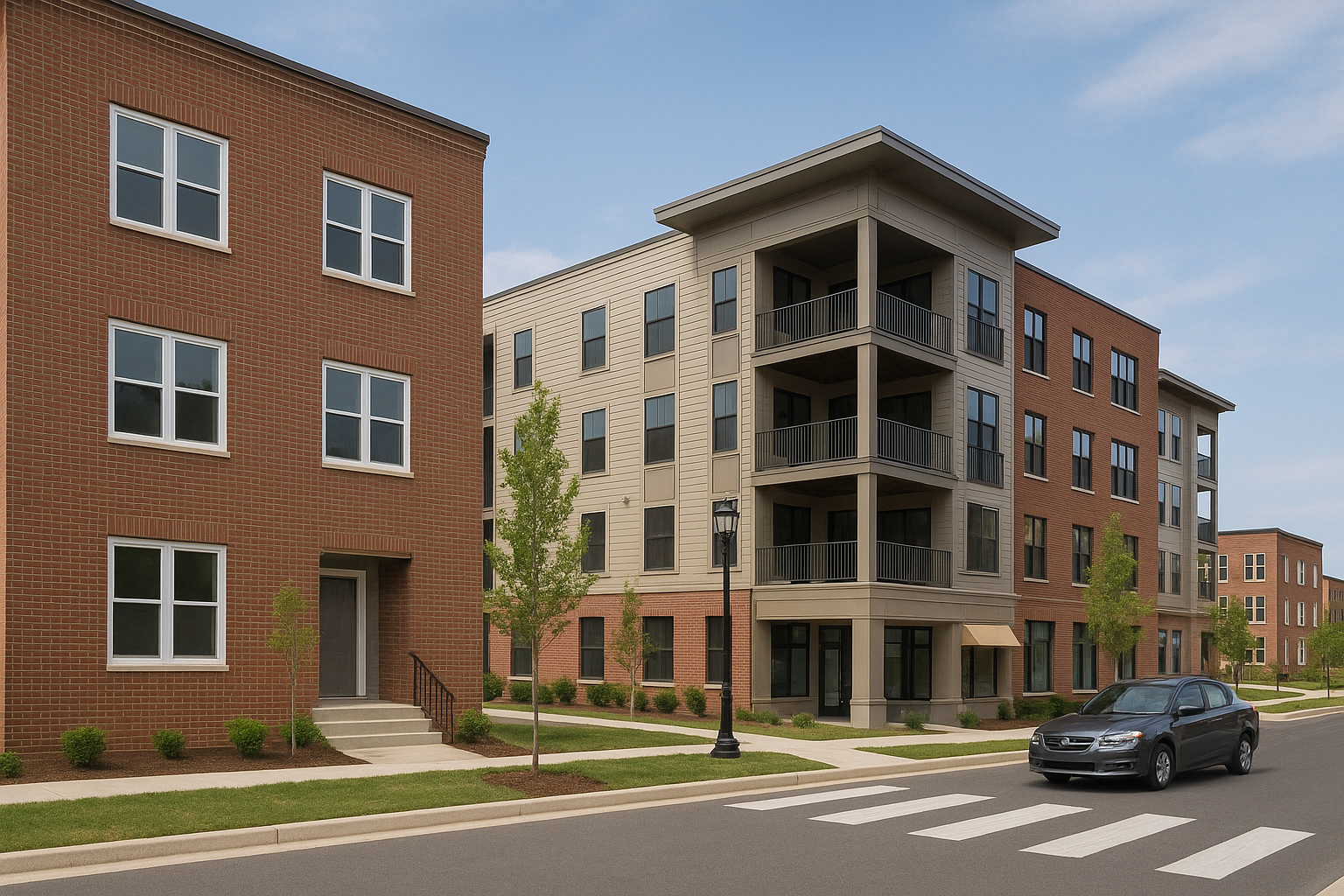
Develop residential communities that incorporate passive design principles and optimised building envelopes for long-term sustainability.

Hospitality and Resort Developments

Generate and refine hotel and resort layouts to maximise the number of units while maintaining quality of experience and environmental performance.


Frequently asked questions

Common questions from our prospects.

Open all FAQ ↗
What is sustainability in building design?
+
Sustainability in building design is how efficiently the building saves resources while being built and operated. It means designing structures that minimise energy use, reduce carbon emissions, conserve water, and create healthy indoor environments — assessed across the full lifecycle of the building.
What is sustainable urban planning?
+
Urban planning places all the features — including buildings, landscapes, neighbourhoods, and infrastructure — in a thoughtful arrangement that serves people now and in the future. Sustainable urban planning integrates environmental, social, and economic goals to create resilient, liveable cities.
How do you create a sustainable building?
+
To create a sustainable building, we need to check that the building leaves a minuscule carbon footprint throughout its lifecycle — from material sourcing and construction to operation and eventual demolition. This begins with passive design strategies: orientation, massing, and natural ventilation, before layering in efficient systems.
How does Digital Blue Foam analyze sustainability?
+
We provide precise and up-to-date wind analysis and solar studies for any given site location and building configuration. Solar studies involve shadow and radiation analysis, and dynamic daylight metrics like Daylight Autonomy (DA) and Useful Daylight Illuminance (UDI) — all computed in real time as you design.

The latest from DBF

View all posts ↗

We are a team of scientific polymaths, designers, and coders, driving the next revolution in complex project delivery.

AI-Powered Planning and Design, for Better Project Delivery and Urban Developments

GET STARTED ↗