
Laboratory Construction and Design: Reduce Project Timelines 60% with AI
Laboratory construction projects are complex and prone to delays due to fragmented workflows and late compliance checks. This blog explains how AI-powered planning transforms lab design through simulation, generative layouts, and predictive analysis. It shows how tools like Digital Blue Foam cut project timelines by up to 60% while improving coordination, compliance, and long-term performance. · January 15, 2026

Laboratory construction and design projects are among the most complex facilities to deliver. Be it a biotech research lab, a diagnostics facility, or an advanced engineering lab, these environments require precision, regulatory compliance, and tightly coordinated systems.
AI-driven planning and simulation tools are reshaping laboratory design. These tools enable planning and design teams to cut their timelines by up to 60% while also optimizing compliance, coordination, and long-term utility.
This guide explores how AI is transforming laboratory construction and design. It sheds light on how traditional approaches are struggling while modern solutions like Digital Blue Foam (DBF) are helping smarter, faster, and better project delivery.
The Problem with Traditional Laboratory Construction and Design
Laboratory projects repeatedly face delays. These delays cannot be attributed to the lack of expertise, but rather to the fact that traditional workflows suffer from structural inefficiencies.
Lengthy Planning and Design Cycles
Lab facilities demand alignment early in the process across all teams. It requires architecture, MEP, equipment planning, safety systems, and compliance to collaborate early. This collaborative process has to happen simultaneously instead of sequentially, and failure to do so stretches the entire process by months or years.
Fragmented Workflows Across Teams
When teams work in silos, the architects, engineers, lab planners, and construction teams do not align on the design intent. More often than not, the intent is lost between different handovers, leading to misunderstandings, RFIs, and late-stage corrections.
Costly Rework from Late Compliance Discovery
Regulatory and safety requirements are very pivotal in laboratory construction and design. When these requirements, the biosafety levels, ventilation rates, hazardous material handling, and cleanroom standards are validated too late, delays are inevitable. All of this surfaced during detailed design or construction, with timelines and budgets taking the brunt.
Inefficient MEP and Lab Systems Integration
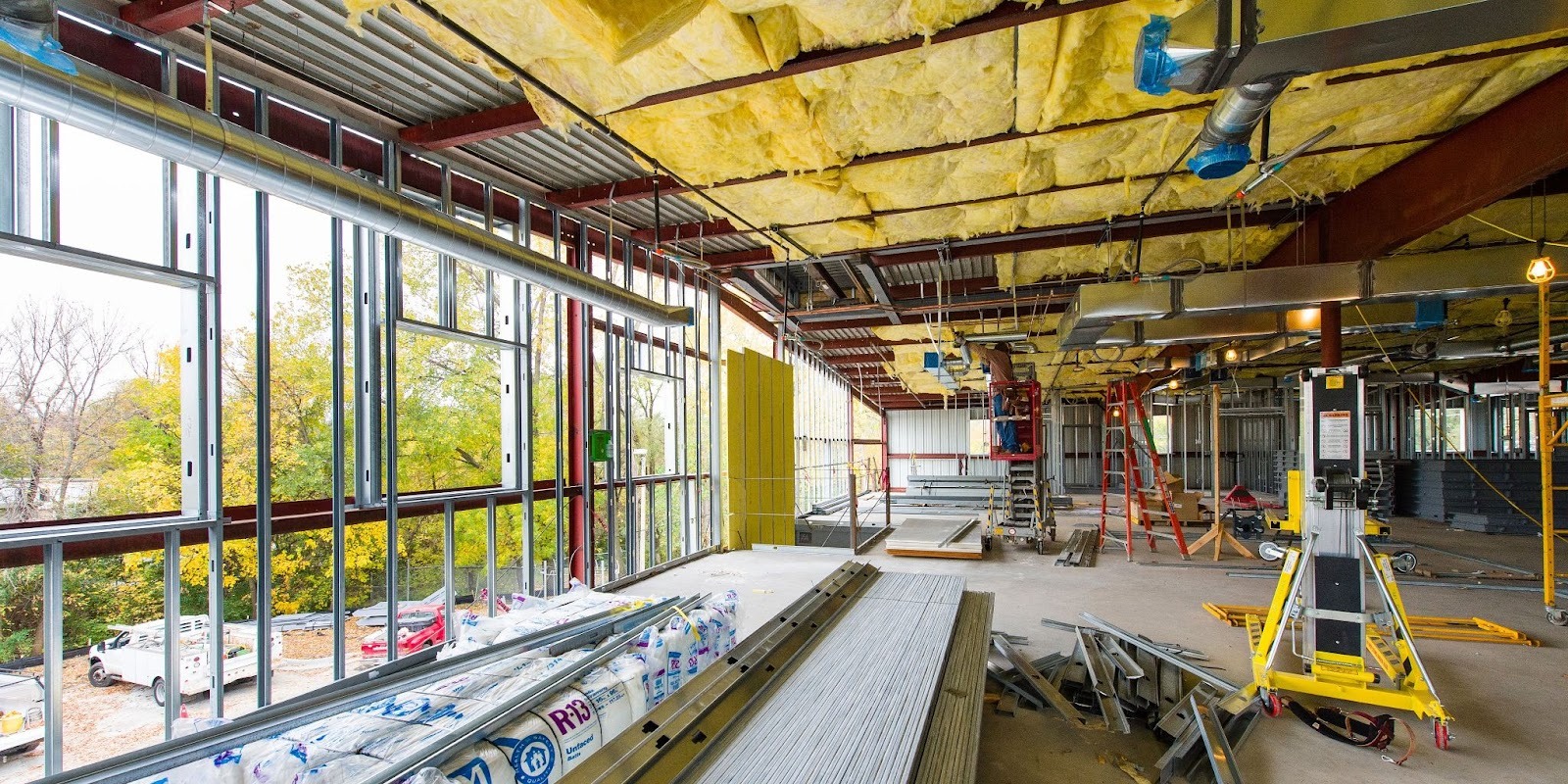
Laboratories by nature are heavy on MEP. Poor coordination of HVAC, exhaust systems, utilities, and other equipment zones results in spatial conflicts that are expensive and cumbersome to resolve later.
Manual Iteration Slows Decision-Making
Lab designs heavily rely on manual layout changes, slow feasibility checks, and static drawings. Even the process employed to explore alternative options becomes time-consuming, thereby limiting them to fewer options and suboptimal outcomes.
It goes without saying that traditional laboratory construction and design methods haven't kept pace with today’s modern, complex, and speedy requirements.
AI in Laboratory Construction and Design
AI changes the way lab projects are designed and executed. They fundamentally move from a problem-solving approach to a predictive, planning, and simulation-driven approach.
How AI Changes the Game
With the help of AI-powered tools, teams can:
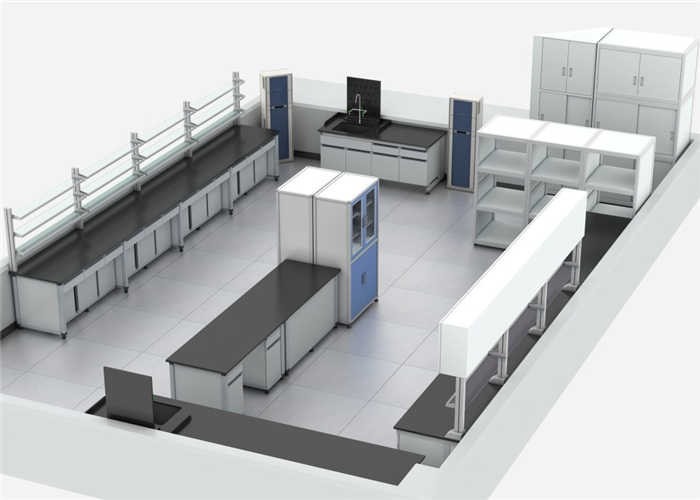
- Generate and compare multiple layouts.
- Simulate complete workflows before the construction begins.
- Identify conflicts across architecture, MEP, and equipment early.
- Integrate compliance as part of the design process.
- Reduce reworking cycles dramatically.
Rather than working on a single design, teams can now test, measure, and optimize design-related decisions in real time. Thanks to this, one can have accelerated laboratory construction and design workflows.
Key Time-Saving Applications of AI in Lab Projects
Spatial Simulation of Research Workflows
AI enables planners to simulate how researchers, equipment, and materials interact and move through the lab. This removes hindrances, unsafe placements, and inefficient layouts before expensive fixes need to be made.
Smart MEP Planning
AI-powered engines take multiple factors into consideration. This includes the heating, ventilation, electrical, plumbing, exhaust, and other important systems. By taking these considerations right at the planning stage, safety and compliance can be taken care of.
Automated Optimization for Space and Safety
AI-powered spatial optimization takes into account utility, safety, and compliance. This helps teams achieve more efficient layouts more quickly.
All these capabilities directly support lab project delivery efficiency while reducing risk.
How DBF Cuts Laboratory Project Timelines by 60%
Digital Blue Foam (DBF) is the unified platform that brings these AI capabilities into a single, practical platform. One that is designed specifically for technical facility delivery.
AI-Driven Generative Design for Lab Layouts
DBF, with its multimodal AI engine, can rapidly generate multiple lab layout options. These options can be based on program requirements, spatial limitations, and technical needs. What earlier took weeks to execute can now be done in a few hours.
Real-Time Simulation of Circulation, MEP, and Equipment Zones
DBF helps planners simulate different circulation patterns, equipment placement layouts, and different MEP zones in real time. An accurate and accurate representation of this helps architects and planners in visualizing different conflicts beforehand and how they can be resolved.
Compliance Validation Built into the Design Process
With DBF, compliance is never kept till the end. It is a part of the process that is done simultaneously with other key steps. This approach reduced unnecessary delays and other changes that may arise due to compliance complications.
Cloud-Based Collaboration Across Teams
A cloud-based solution like DBF helps teams work in tandem rather than in silos. Real-time collaboration tools among architects, engineers, planners, and decision-makers help them make unanimous and collaborative decisions. This, in turn, effectively eliminates delays caused by a lack of coordination and collaboration.
Predictive Scenario Planning to Reduce Rework
DBF helps planners and authorities to test multiple design and operational scenarios upfront. This once again minimises downstream rework, which happens to be one of the biggest causes of schedule overruns in lab projects.
Thanks to all of these capabilities, teams can cut planning and design timelines by up to 60%. All while improving accuracy and confidence.
Examples and Industry Use Cases
Biotech and Life Sciences Labs
Fast-moving biotech programs depend on speed-to-market. AI-driven lab design and planning help teams in facility readiness without compromising safety or modularity.
Academic Research Institutions
Universities make use of AI-powered planning to help deliver research labs on tight funding and academic schedules. This also allows for future changes and modulations as research priorities evolve.
Diagnostic and Healthcare Labs
Diagnostic and healthcare labs work on very critical timelines. With the help of technological solutions, these labs can meet safety, regulatory, and compliance requirements more quickly without compromising on operational efficiency.
Engineering and Advanced Testing Labs
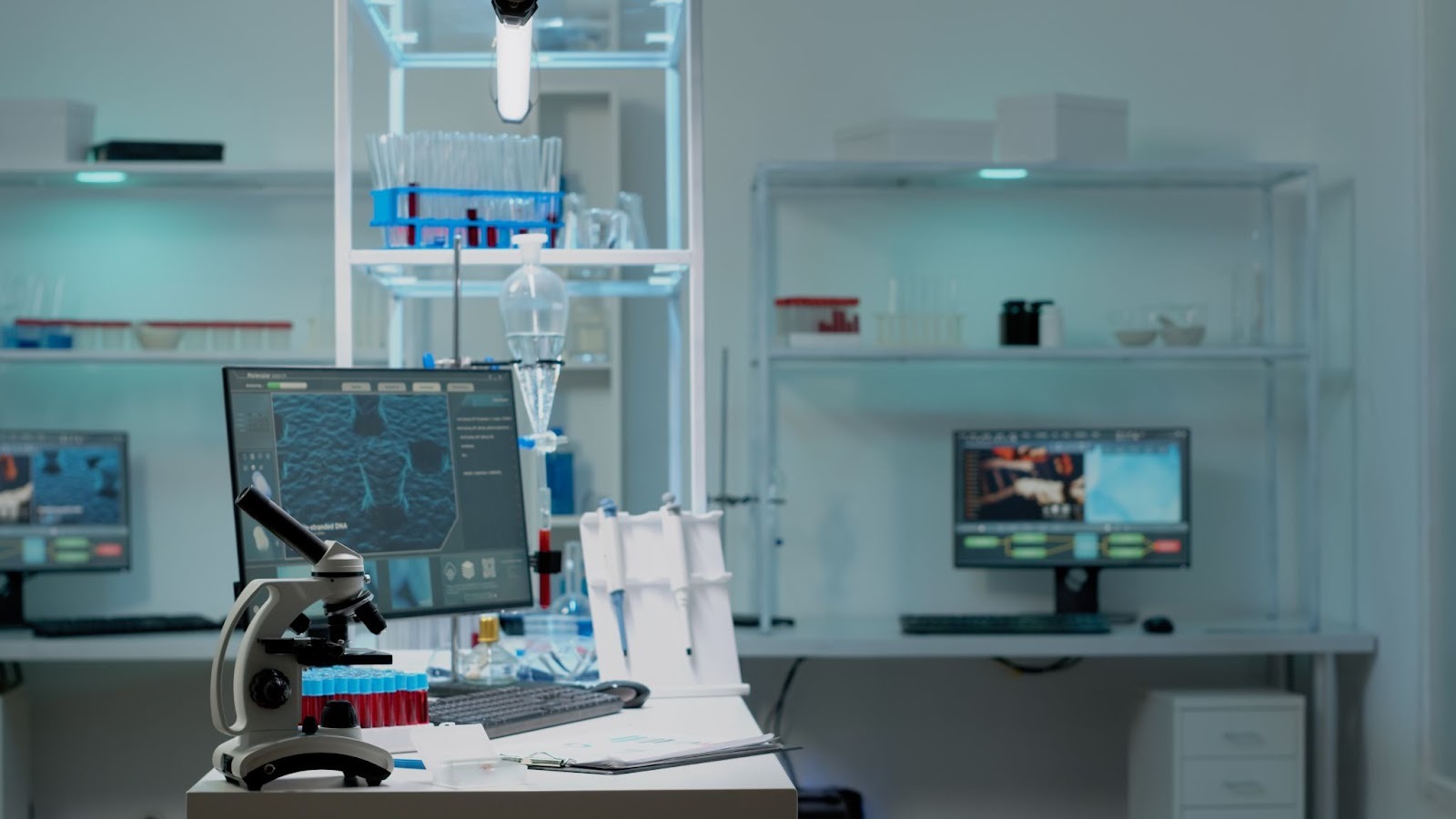
AI-powered optimization is becoming very important to design high-performance engineering labs. This is because it balances heavy equipment spacing, workflow testing, and efficient management of safety constraints.
Why Speed Is Now the Competitive Edge in Lab Projects
In today’s environment, speed is not just about convenience. It’s about:
- Faster research outcomes
- Quicker commercialization
- Reduced capital lock-in
- Improved ROI
- Stronger stakeholder confidence
AI-powered planning is no longer experimental. It is quickly becoming the standard for laboratory construction and design. Organisations that can deliver laboratories faster, without sacrificing on quality or compliance, always gain an advantage.
Conclusion
Laboratory construction and design are bound to become more complex as research, healthcare, and engineering demands increase. The old-school ways of working are slow, layered, and not agile enough to keep up with the demands and requirements of modern labs.
AI-powered planning changes this.
With simulation testing, predictive analysis, compliance-ready design, and cloud-based collaboration. Tools like Digital Blue Foam help teams cut timelines by up to 60%. They also reduce expensive rework and deliver labs that are efficient, adaptable, and future-ready.
Speed is now the competitive edge in laboratory projects. With DBF, teams can design and deliver faster and without any compromises.
FAQs
How can AI speed up laboratory construction and design?
AI is speeding up the laboratory construction process by helping in generating multiple layouts, simulating workflows, testing scenarios, and in compliance validation. These systems collectively reduce delays and keep costs in check.
What role does simulation play in reducing lab project timelines?
Simulation can help teams identify spatial, workflow, and systems conflicts early. By understanding different bottlenecks, expensive rework that arises in the later stages can be prevented.
How does DBF help deliver labs faster while staying compliant?
DBF helps organisations with AI-powered design, predictive simulations, and compliance in one single workflow. This enables teams to make faster decisions without compromising on regulatory and compliance requirements.
What industries benefit most from AI-driven lab planning?
AI-powered workflows can help multiple industries. Biotech, healthcare, diagnostics, academic projects, and engineering labs can make use of AI-driven lab planning.