
Strategic Amenity Planning Framework for Enterprise Urban Development Teams
Today, amenity planning has transformed itself within enterprise-scale urban development. What was historically seen as a marketing driver, amenities are now being regarded as critical infrastructure systems that impact long-term urban performance, economics, environmental factors, and sustainability. · June 2, 2026

Today, amenity planning has transformed itself within enterprise-scale urban development. What was historically seen as a marketing driver, amenities are now being regarded as critical infrastructure systems that impact long-term urban performance, economics, environmental factors, and sustainability.
Across large-scale master-planned communities, poorly executed amenity ecosystems tend to create inequity, inefficiencies, and long-term operational liabilities. Over-provisioned amenities lead to unsustainable maintenance costs, while under-provisioned amenities tend to create livability gaps that reduce real estate performance.
Modern urban development teams, therefore, must approach amenity planning with systems-level integration, ensuring alignment amongst social infrastructure, public planning, mobility frameworks, environmental resilience systems, and regulation models.
This article gives a comprehensive enterprise amenity planning framework that is designed specifically for planning authorities, strategists, and large-scale development leadership.
Understanding Strategic Amenity Planning
Defining Amenity Planning in Enterprise Urban Development
Amenity planning can be defined as the structured process that entails identifying, designing, distributing, and managing community-support infrastructure across large urban developments. These amenities may include:
- Social infrastructure in the form of schools, healthcare facilities, and cultural institutions
- Public systems like parks, plazas, and green corridors
- Commercial and economic zones
- Mobility-linked infrastructure like transit hubs and shared facilities
- Environmental resilience infrastructure, such as stormwater parks and climate-adaptive landscapes
Unlike a regular approach that visualizes amenities as isolated systems, strategic amenity planning brings these systems together into a broader urban systems network, making sure it aligns with the zoning frameworks, population growth, and governance models.
The Enterprise Development Perspective
Enterprise development teams often operate in a very complex planning environment that takes into consideration multi-decade population expansion, transit-oriented development, regulatory frameworks, and large capital investments. Working on this scale requires extensive coordination between planning authorities, stakeholders, strategists, engineers, and other stakeholders. Due to this very nature, amenity planning becomes a cross-disciplinary governance and infrastructure function rather than a standalone exercise.
The Strategic Role of Amenities in Large-Scale Urban Development
Amenities as Land Value Drivers
Amenities have a proportional impact on land absorption rates and property valuation. Studies across global master-planned communities showcase that proximity to high-quality public infrastructure can increase property values by 10 to 25%, depending on amenity type and accessibility.
Amenities as Mobility Demand Regulators
Well-distributed amenity ecosystems help reduce transportation demand by localizing daily service access. Right amenity planning helps support 15-minute city principles, reduce vehicle dependency, and improve numerous sustainability metrics.
Amenities as Climate Adaptation Infrastructure
Green corridors, waterfront parks, and urban forestry programs help function as environmental infrastructure systems. These assets help during flooding, reduce urban heat, and improve water management efficiency.
Here's a phase-wise split of strategic amenity planning in large enterprise urban development teams:
Phase 1: Discovery and Analytical Assessment
Demographic and Behavioral Demand Modeling
Enterprise amenity planning begins with understanding the population rather than relying on generic benchmarking. This is done by evaluating household composition, employment patterns, commuter patterns, and income diversity in a community.
Persona-based planning helps architects and planners forecast amenity utilization patterns. For example, a population set of younger workforce needs coworking infrastructure, mobility hubs, and wellness facilities, while family-oriented populations need education, recreation, and healthcare services.
Behavioral demand modeling takes into consideration digital mobility tracking and survey-based data to predict service demand across different development phases.
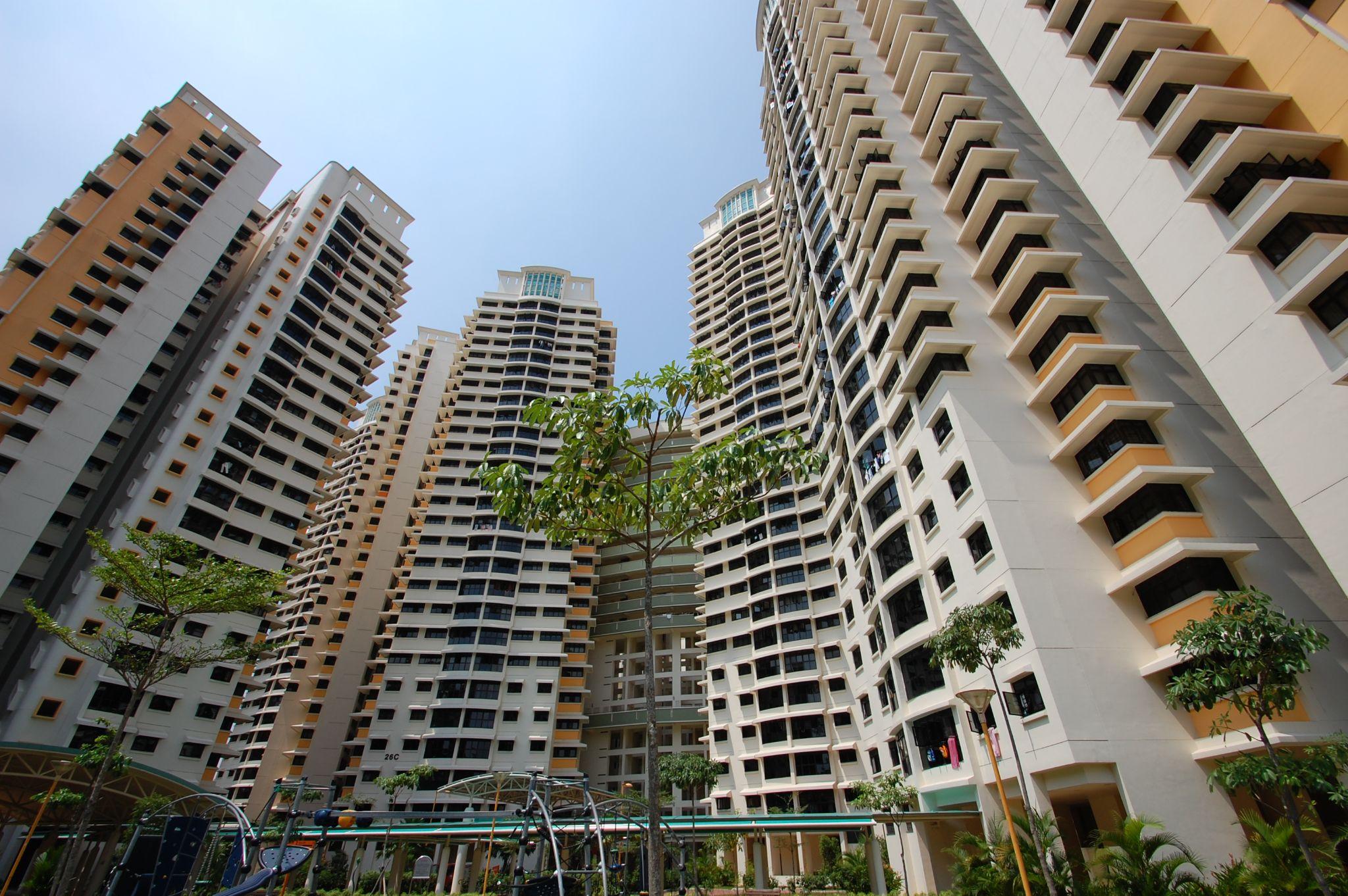
Real-World Example: Singapore Housing Development Board
Singapore's integrated public housing developments ensure there is a strategic alignment with demographic forecasting. Educational facilities, transit access, and commercial zones are co-located based on predicted population growth, resulting in high accessibility and sustained performance.

Site and Spatial Context Analysis
Physical and regulatory site conditions have a sizable impact on the feasibility and distribution of amenities. Enterprise planning teams conduct multi-layered analysis that also takes into account hydrological and topographical mapping, infrastructure capacity audits for utilities, zoning, and regulatory compliance evaluation, among other aspects. The teams also take into account accessibility modelling using different transit thresholds along with environmental sensitivity and risk mapping.
Competitive and Market Benchmarking
Large-scale development requires a comprehensive competitive amenity analysis. The teams analyse everything from amenity distribution patterns in similar master-planned communities, market demand elasticity for specialized facilities, real estate value uplift associated with amenities, and emerging lifestyle and employment trends. Market benchmarking helps authorities avoid under-provision and redundant infrastructure investment.
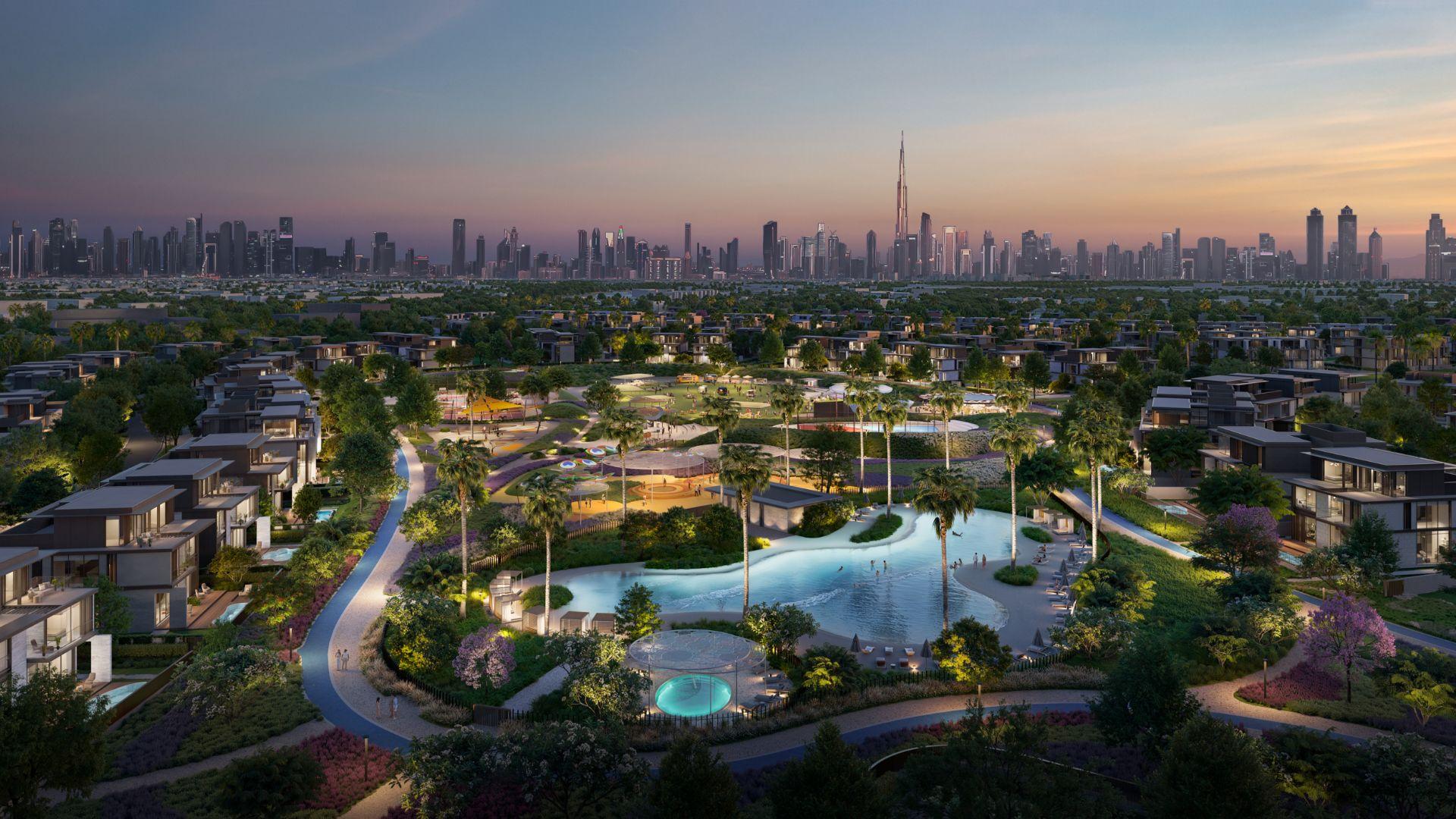
Real-World Example: Dubai Master-Planned Communities
Dubai developments showcase both the risks and successes that come with amenity planning. This can be attributed to how early communities in the city invested heavily in recreational amenities, but faced operational challenges due to insufficient long-term governance planning.
Phase 2: Strategic Planning and Design Framework
Amenity Portfolio Structuring
Enterprise amenity planning depends on hierarchical portfolio development instead of an ad hoc facility selection. Planning teams classify amenities into neighborhood-scale facilities that support daily needs, community-level infrastructure that serves a broader population, and regional destination amenities that drive economic and cultural activities.
| Tier | Amenity Function | Service Radius |
|---|---|---|
| Neighborhood | Daily services, parks, retail | 400–800 meters |
| Community | Schools, healthcare, sports facilities | 1–3 km |
| Regional | Cultural, institutional, economic hubs | City-wide |
A well-balanced portfolio balances capital-intensive infrastructure with flexible, program-driven spaces that can adapt to demographic transitions. Phasing strategies align amenity delivery with population thresholds rather than predetermined construction schedules. This significantly reduces operational and financial risk.
Spatial Optimization Through Data Analytics
Today's amenity placement decisions depend on geospatial analytics and simulation technologies. Enterprise planning teams evaluate everything from accessibility, walkability scoring, amenity catchment overlap modelling, demand density heat mapping, and service gap analysis.
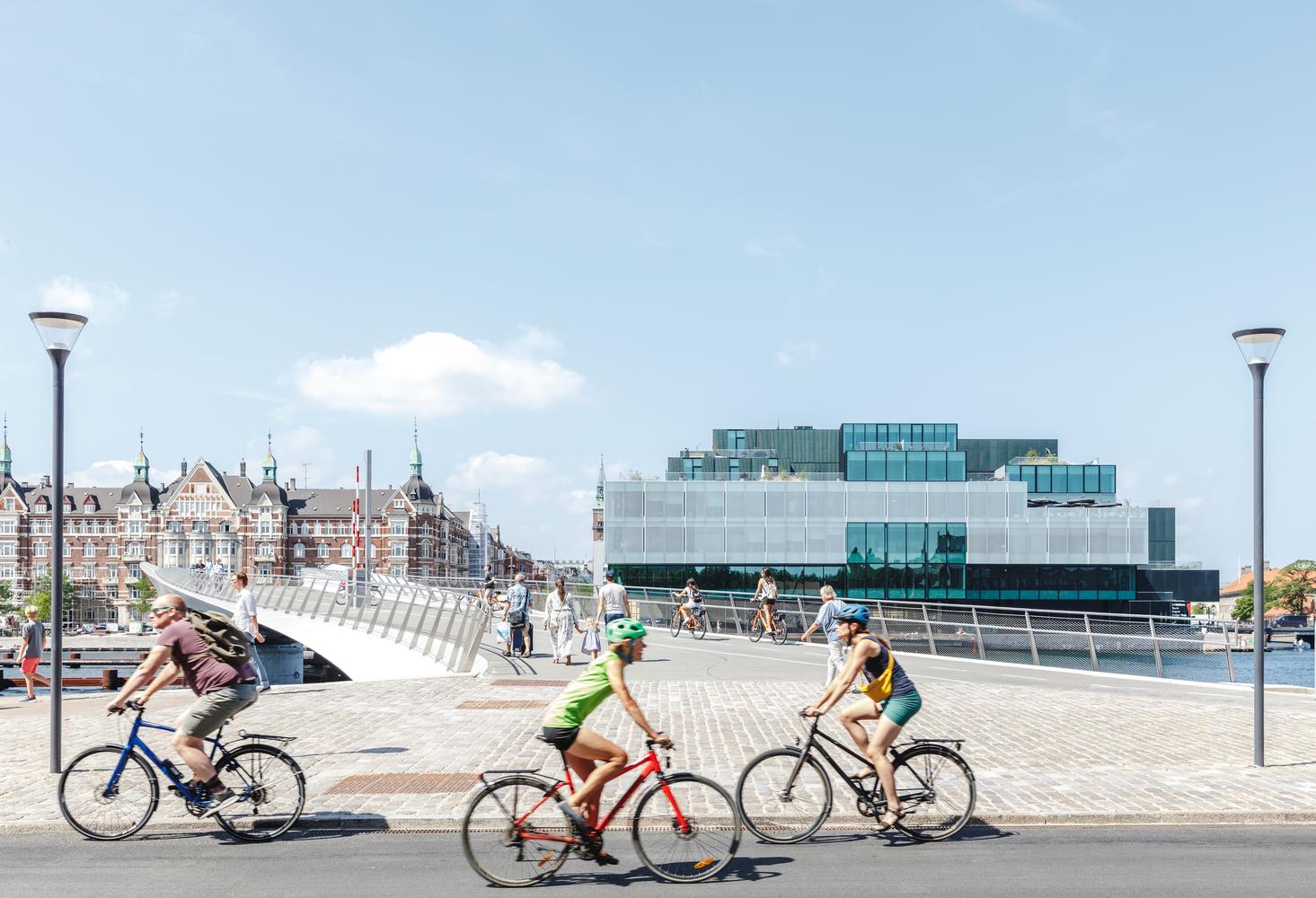
Real-World Example: Copenhagen Urban Planning Model
Copenhagen brings together mobility infrastructure and amenity distribution through its bicycle accessibility modeling. Public amenities are strategically placed along cycling corridors, contributing to high active mobility rates and reduced carbon emissions.
AI-first platforms like Digital Blue Foam help planners test multiple amenity scenarios while helping authorities evaluate the impact on mobility efficiency, land use performance, and different environmental outcomes before construction even begins.
Sustainability and Climate Resilience Integration
Amenities are expected to perform environmental infrastructure roles. Strategic planning of amenities incorporates various facets like carbon lifecycle analysis for major facilities, blue-green stormwater management systems, climate-adaptive landscape design, and renewable energy integration, among other aspects.
Today's enterprise amenity structure supports environmental resilience.
| Climate Strategy | Amenity Integration |
|---|---|
| Flood Mitigation | Multi-functional stormwater parks |
| Heat Reduction | Urban forestry and shaded corridors |
| Energy Efficiency | Renewable-powered community facilities |
| Water Conservation | Smart irrigation landscapes |
Phase 3: Implementation and Delivery
Governance and Stakeholder Coordination
An effective amenity delivery necessitates structured governance planning. One that addresses multiple aspects, like:
- Transfer of ownership across development phases
- Operational funding mechanisms
- Maintenance and management responsibilities
- Public-private partnership structures
Clarity in governance frameworks helps reduce regulatory delays and eliminates operational ambiguity.
Here are the different governance models that can be considered:
| Governance Model | Strengths | Risks |
|---|---|---|
| Municipal Ownership | Public accountability | Budget constraints |
| Public-Private Partnership | Shared financial risk | Contract complexity |
| Community Trust | Long-term stewardship | Funding variability |
| Developer Ownership | Delivery speed | Transfer disputes |
Project Delivery and Construction Sequencing
Amenity construction must be aligned with infrastructure rollout schedules. To facilitate this, enterprise teams implement modular amenity construction strategies, phased procurement that is aligned with population growth, and performance-based contractor selection. Solutions that are flexible and adaptable ensure future expansion can be carried out while keeping lifecycle retrofitting costs in control.
Technology Enablement in Amenity Planning
Digital planning technologies are transforming amenity development. Enterprise teams increasingly rely on:
- Building Information Modeling for integrated facility design
- Digital twin platforms for simulations
- AI-driven spatial scenario testing
- Cloud-based collaborative planning environments
Digital Blue Foam helps enterprise amenity planning by enabling population-driven phasing simulation, infrastructure load visualization, and climate performance validation, all within a unified planning interface.
Enterprise Risk Management in Amenity Planning
Demand Risk
Inaccurate population growth assumptions can result in oversized or underutilized facilities.
Financial Risk
Capital-intensive amenities require long-term financial planning along with subsidized operations.
Climate Risk
Different environmental factors, like flooding and heat waves, affect amenity infrastructure durability.
Governance Risk
Unclear ownership and operational responsibilities often delay project approvals and reduce service quality.
Amenity Ecosystems and Mixed-Use Synergies
High-performing urban developments do not rely on isolated amenities. Instead, they create amenity ecosystems. This could be in the form of:
Social-Economic Clustering
Having schools, healthcare, and retail together helps improve efficiency and reduce transportation demand.
Environmental-Recreational Clustering
Parks, waterfronts, and sports facilities function as climate resilience infrastructure.
Transit-Oriented Amenity Clusters
Transit hubs serve as mixed-use amenity anchors, help improve accessibility, and reduce dependency on private vehicles.
Digital Twin Integration for Lifecycle Amenity Management
Enterprise urban development teams are using digital twin technology to help manage amenities throughout their lifecycle. It helps with:
Predictive Operations and Maintenance
Digital twins help continuously monitor the performance, the maintenance, and the environmental impact.
Scenario Testing for Long-Term Adaptability
Planning teams can take into consideration demographic transitions, infrastructure demand shifts, and climate impact to help ensure amenities perform appropriately over time.
Digital Blue Foam helps planners simulate the evolution of amenities along with population growth and infrastructure expansion, helping support long-term viability.
Equity and Social Inclusion Metrics in Amenity Planning
Amenity planning, when done strategically, helps take into account measurable social inclusion objectives. It helps evaluate:
- Number of residents who are within walking distance of essential services
- Affordability and accessibility of recreational infrastructure
- Distribution of social infrastructure across different income and density levels
Equity-driven amenity distribution helps improve social stability and reduces long-term infrastructure strain.
Measurement and Performance Optimization
Enterprise amenity planning depends on data-driven performance monitoring across lifecycle stages.
| Inclusion Metric | Planning Objective |
|---|---|
| Walkable Amenity Access | Service equality |
| Universal Design Compliance | Accessibility |
| Income-Based Service Distribution | Social equity |
| Public Space Availability | Community cohesion |
Future-Proofing Amenity Infrastructure
Adaptive amenity planning helps bring together modular construction, convertible public infrastructure, and smart technology integration to support long-term community evolution. Scenario modeling helps planners test infrastructure performance across demographic and environmental transitions.
Key Performance Indicators
| KPI Category | Measurement Indicator |
|---|---|
| Accessibility | Average amenity travel time |
| Utilization | Facility usage rate |
| Financial Sustainability | O&M cost per capita |
| Environmental Performance | Carbon reduction contribution |
| Economic Impact | Property value uplift |
Conclusion
Strategic amenity planning has become an integral part of successful enterprise urban development. With cities growing and becoming increasingly complex, development teams must adopt integrated planning frameworks that bring together demographic forecasting, spatial analytics, sustainability modeling, and governance strategy.
Data-driven planning platforms such as Digital Blue Foam help enterprise teams test amenity scenarios, validate infrastructure alignment, and optimize long-term performance outcomes before capital is committed.
The future success of master-planned communities will not depend on the quantity of amenities delivered, but on how intelligently those amenities become an integral part of urban systems. It also depends on how these systems are governed across lifecycle phases and adapted to evolving demographic and environmental realities.