
Enterprise Guide to Master Planned Community Amenity Development for Large-Scale Projects
Amenity development in master-planned communities is no longer a secondary consideration. This guide outlines a systematic, enterprise-level framework for planning, designing, and executing amenities in large-scale projects. · June 1, 2026

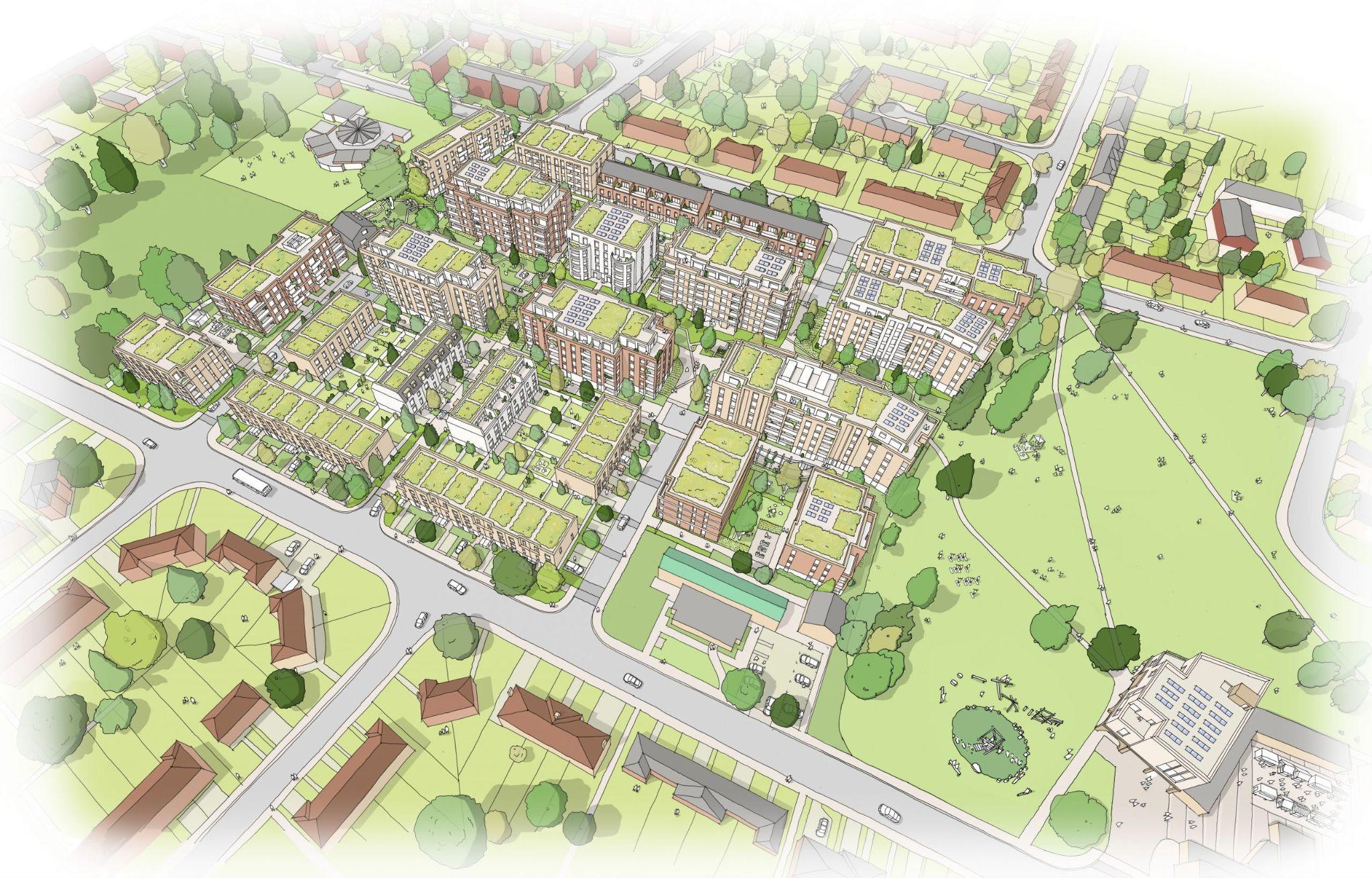
Amenity development in master-planned communities is no longer a secondary consideration. They have become an integral part of determining long-term economic performance and social perception. In today's large-scale developments, ones that are spanning hundreds of acres, amenities are not just isolated recreational assets. They are a part of a larger urban system in line with other pertinent factors like infrastructure efficiency, climate performance, and regulatory requirements. For municipal authorities and large developers, the important question they need to address is not whether amenities are needed, but how they can be integrated to support long-term community performance without creating operational or fiscal hindrances.
This guide outlines a systematic, enterprise-level framework for planning, designing, and executing amenities in master-planned communities.
Why Amenity Planning Has Become a Strategic Urban Function
Traditionally, amenities were always treated as marketing differentiators. Clubhouses, parks, retail complexes, and leisure zones were all intended to increase desirability. While it may work in the early stages, it often does not succeed over the lifecycle of a community.
At scale, amenities that were poorly planned and integrated can result in:
- Underused public spaces
- Heavy maintenance costs
- Restricted access across neighborhoods
- Long-term financial strain on regulatory bodies
In contrast, when amenities are well-planned, they can behave as utility multipliers. They support:
- Better and more efficient usage of land
- Decreased demand for transportation
- Healthier population
- Stronger local economies
- More resilient public spaces
Amenity planning must be aligned with long-term infrastructure planning, land usage, climate strategy, and regulatory requirements.

Reframing Amenities as Urban Systems, Not Objects
Modern master-planning community designs are moving from object-based amenity planning to system-based amenity planning. Instead of asking 'what amenities should be included', planners, authorities, and developers are asking more important and pressing questions. From 'how the amenities influence daily mobility patterns', to 'what impact will they have on the energy demand', to 'who owns, operates and maintains them', to 'how they would scale with a growing population'.
At an enterprise scale, planners categorise amenities into different systems:
- Social Infrastructure — This comprises schools, libraries, community centres, cultural spaces, and other facilities.
- Open space systems — This includes parks, green corridors, waterfronts.
- Mobility-linked systems — This comprises transit hubs, cycling infrastructure, and last-mile facilities.
- Environmental and resilience amenities — This includes amenities like floodable landscapes, heat mitigation zones, blue-green infrastructure, and more.
Each of these systems is designed and executed in relation to population growth, infrastructure capacity, density gradients, and other key aspects.
Amenity Typology vs Planning Objective Matrix
| Amenity Type | Primary Planning Objective | Secondary Impact | Typical Catchment |
|---|---|---|---|
| Neighborhood Parks | Livability, Health | Heat mitigation | 400–600 m |
| Community Centers | Social cohesion | Emergency resilience | 800–1,200 m |
| Schools | Workforce retention | Travel reduction | 1–3 km |
| Retail Clusters | Local economy | Trip reduction | 500–1,000 m |
| Sports Facilities | Public health | Peak energy demand | City-wide |
| Green Corridors | Climate resilience | Active mobility | Linear |
| Cultural Facilities | Identity, tourism | Economic uplift | City-wide |
Aligning Amenity Strategy with Land-Use Economics
Across larger master-planned communities, amenities have a direct impact on land value distribution. Their location, scale, and accessibility determine which ones appreciate faster and which remain underperforming.
Here are a few economic considerations that need to be taken into account:
- Catchment radius: Amenities must be distributed based on walkability thresholds, ensuring they are accessible within 5 to 10 minutes. This ensures that the amenities are not limited to arbitrary parcel boundaries.
- Value uplift modelling: Early amenities placement can help in better planning of land parcels, but over-investment in this area can lead to strained cash flow.
- Equity of access: Restricting access to amenities only in the early phases can be detrimental in the long term.
Amenities planning, therefore, must take into account phase-wise population growth, residential density by typology, employment distribution, servicing costs, and long-term O&M obligations. This makes amenity planning a part of quantifiable urban economics.

Amenity Density Benchmarks (Large-Scale Communities)
| Amenity Category | Recommended Ratio |
|---|---|
| Public Open Space | 8–12 sqm per capita |
| Community Facilities | 1 per 10,000–15,000 residents |
| Playgrounds | 1 per 5,000 residents |
| Sports Facilities | 1 per 20,000–30,000 residents |
| Schools | 1 primary per 5,000–7,000 residents |
| Healthcare (Primary) | 1 clinic per 15,000 residents |
Phasing Amenities Across Multi-Decade Developments
One of the most common causes of failures of amenities planning in large-scale projects is misaligned phasing. Amenities are either delivered too early, making them underused and costly, or too late, creating livability gaps.
Here are a few principles of amenity phasing:
- Phase with population, not timelines — Amenities should be unlocked when specific population or employment metrics are reached.
- Design for interim use — Interim or modular amenities can help serve early phases and evolve.
- Anticipate future intensification — Amenities that are completed early on must be capable of expansion or programmatic transformation.
- Coordinate with infrastructure roll-out — Amenities that depend on utilities, transit, or schools must be aligned with infrastructure capacity.
Phasing of amenities is not just a sequencing exercise, but a risk-mitigation and management strategy.
Amenity Phasing Framework (Population-Triggered)
| Project Phase | Population Threshold | Key Amenities Introduced |
|---|---|---|
| Phase 1 | 5,000–10,000 | Temporary parks, pop-up retail, mobility hubs |
| Phase 2 | 15,000–30,000 | Schools, permanent parks, healthcare |
| Phase 3 | 40,000–70,000 | Sports complexes, cultural centers |
| Phase 4 | 80,000+ | Specialized facilities, regional amenities |
Integrating Amenities with Mobility and Accessibility Frameworks
In efficient master-planned communities, amenities need not be separated from mobility planning. Poor planning of amenities can lead to an increase in private vehicular traffic, over-provision of parking spaces, underperforming of public spaces, and increased emissions.
Advanced communities align amenities with transit-oriented development zones, pedestrian networks, and last-mile connectivity.
The technical metrics that planning authorities use in this case include walkability indices, trip generation rates, access time to daily needs, and load on mobility infrastructure. Amenities must aim to reduce travel demand, in turn becoming infrastructure assets and not just lifestyle features.
Climate-Responsive Amenity Planning
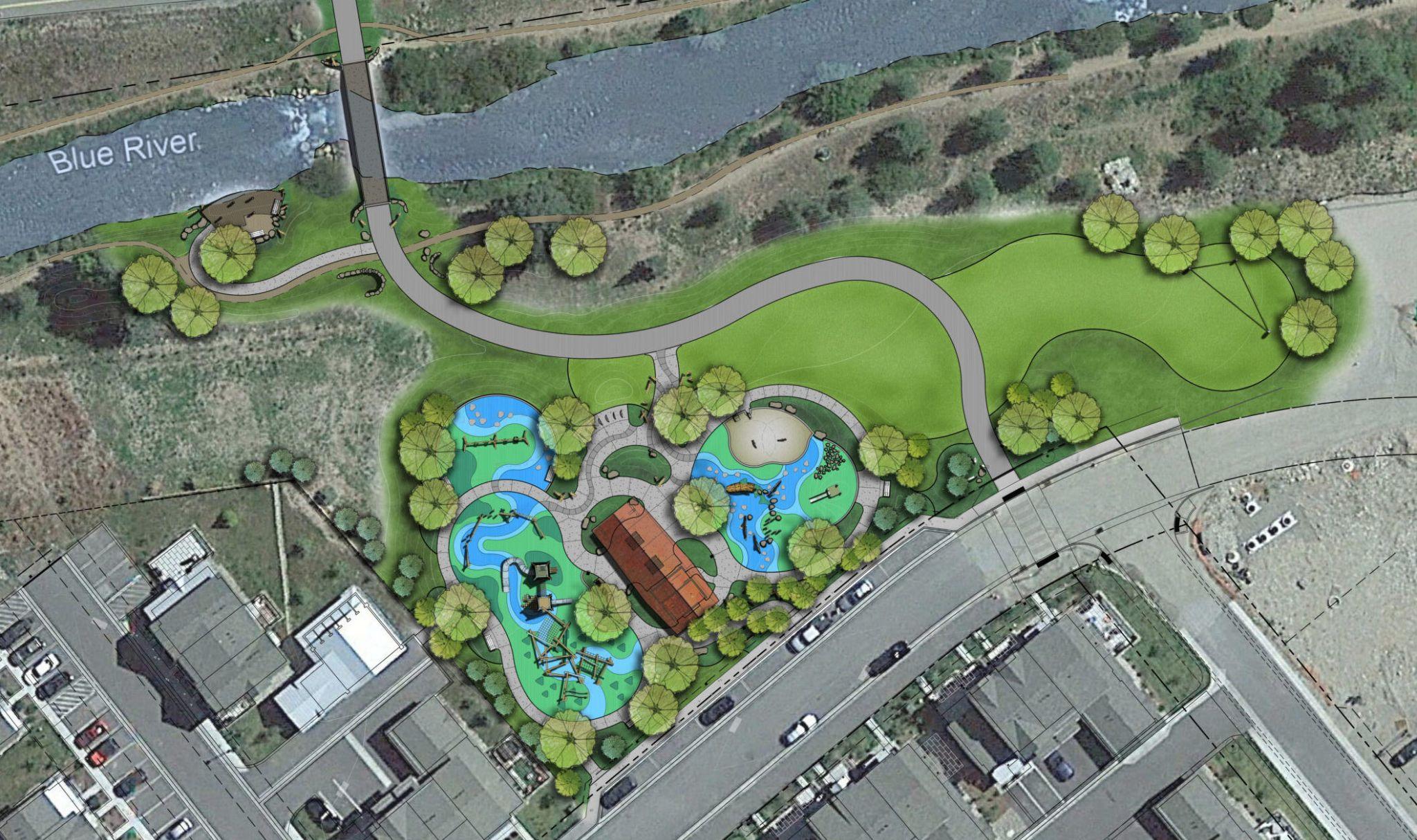
With climate impacts intensifying, amenities are expected to help with environmental functions too. This could be in the form of parks that are designed as flood retention basins, or in the form of shaded corridors that reduce urban heat, or blue-green networks managing stormwater, or public spaces that are designed for extreme weather resilience.
This requires planners to assess:
- hydrological behaviour of open spaces
- microclimatic impacts of built units
- long-term maintenance under different climate stresses
- resilience performance under extreme events
In this context, amenity design becomes part of the city's climate adaptation infrastructure.
Governance, Ownership, and Operational Models
The success of amenities and their planning depends less on their design and more on their governance.
Key questions must be answered, like:
- Who owns the amenity at each phase?
- Who funds the long-term operations of these amenities?
- How are responsibilities transferred to municipalities or associations?
- What revenue mechanisms are employed to support maintenance?
Large-scale urban planners must also take into account the modus operandi of amenities through:
- municipal ownership and operation
- public-private partnerships
- community trusts
Having clarity on governance avoids future disputes and unfunded liabilities, all of which are critical in large developments.

Measuring Amenity Performance Beyond Utilisation
Measuring amenities performance through traditional metrics like footfall or event attendance is insufficient at scale. Enterprise-level amenity evaluation measures impact on land absorption rates, contribution to public health outcomes, effect on property value stabilisation, and operational cost per capita, among other aspects.
Amenities should be assessed as long-term urban assets, not short-term interventions.
Here are a few KPIs based on the objective of the amenity that is being provided:
1. Accessibility & Equity KPIs
- Percentage of residents within 10-minute walk to daily amenities
- Average amenity access time (minutes)
- Public open space per capita (sqm/person)
2. Operational & Financial KPIs
- Annual O&M cost per capita
- Revenue recovery ratio (where applicable)
- Cost escalation rate over 10 years
- Deferred maintenance backlog (%)
3. Mobility & Environmental KPIs
- Reduction in vehicle trips due to amenity proximity
- Urban heat reduction (°C)
- Stormwater retained per hectare
4. Lifecycle & Resilience KPIs
- Asset lifespan vs design life
- Climate stress performance score
- Time to service recovery after extreme events
Global Lessons from Large-Scale Communities
- Singapore — Amenity planning is integrated within national housing and transport frameworks. This ensures equitable access and operational sustainability.
- Helsinki — Public spaces are designed as climate-adaptive systems that are integrated with energy and mobility planning.
- Dubai — Large-scale communities demonstrate the ill-effects of amenity over-provision without long-term governance alignment.
- Melbourne — Distributed social infrastructure supports mixed-use, walkable neighbourhoods with strong civic identity.
These cases reaffirm the central principle that amenities must evolve with the city, not precede it.
Amenity Programming Across Demographic Lifecycles
One of the most ignored, but critical aspects with respect to community amenities is the demographic misalignment over time. Large-scale communities and developments never serve a static population. Household sizes, age profiles, income bands, and employment patterns evolve every year.
Amenity strategies must have the potential to succeed long-term by taking into account demographic transition curves. For this, planning authorities and developers should model amenities across three demographic horizons:
- Early phase: One that caters to young professionals, early-stage families, and the service workforce. In this stage, the emphasis is on flexible community spaces, coworking and shared facilities, and active mobility infrastructure.
- Mid phase: Here, the amenities are aimed at catering to families with school-going children, one where there is a growing local employment base and service demand. In this phase, the emphasis is on schools, childcare, recreation facilities, and public open spaces.
- Mature phase: In this phase, the amenities cater to ageing residents and multi-generational households. The emphasis here is more towards accessible public spaces, healthcare, and assisted services, along with community support infrastructure.
Amenities that have adaptability built into them often outperform static facilities that predominantly cater to a single demographic.
Amenity Density Ratios and Spatial Performance Metrics
At enterprise scale, amenity planning must follow quantitative performance benchmarks and not qualitative intent. Planning directors depend on factors like amenity density ratios to ensure appropriate and equitable distribution, along with operational efficiency. Some of the key technical metrics that are used globally are:
- Amenity catchment ratio
- Access time thresholds
- Public open space per capita
- Service redundancy factor
- Operational cost per capita
These metrics help authorities identify underserved zones, oversupply, inequitable access patterns, and future upgradation triggers. Without these measurable benchmarks, amenity planning becomes a politically driven activity rather than a performance-driven one.
Interdependence Between Amenities and Infrastructure Capacity
Amenities cannot exist independently of infrastructure systems. In large-scale systems, amenity failure is nothing but infrastructure failure in disguise. Critical dependencies in these communities include water and wastewater capacity, power availability and redundancy, digital connectivity, emergency access, and response times.
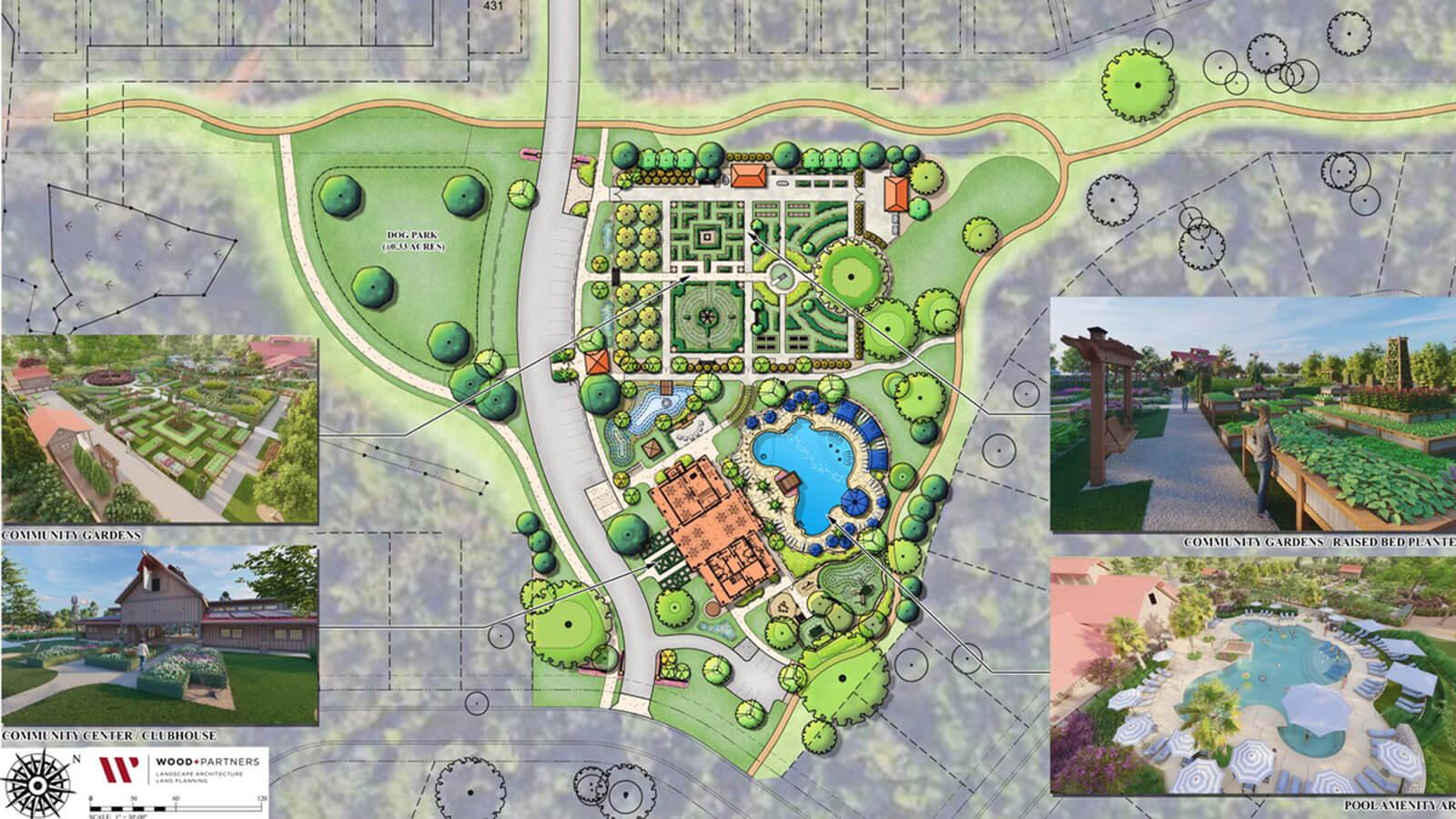
Some of the most common examples of infrastructure-amenity coupling include sports complexes that drive water and energy demand, how community centres increase parking and transit demands, or schools that generate localized traffic surges. Advanced planning teams take into consideration amenity-driven infrastructure loads early to avoid cost surges.
Amenity–Infrastructure Dependency Mapping
| Amenity Type | Key Infrastructure Dependencies | Risk if Unaligned |
|---|---|---|
| Sports Complex | Water, power, transit | Peak overload |
| Waterfront Parks | Drainage, flood control | Flood damage |
| Community Centers | Power, emergency access | Safety risks |
| Schools | Road capacity, transit | Congestion |
| Retail Hubs | Parking, logistics | Underperformance |
Financial Structuring and Capital Allocation for Amenities
For large developers and authorities, amenities demand significant capital commitments. Poor financial structuring can lead to delayed delivery, reduced quality, and deferred maintenance. Some of the most common capital models are:
- Upfront amenities that are developer-funded
- Phased capital expenditure that is tied to absorption
- Infrastructure bonds or levies
- Value capture mechanisms
- Cross-subsidization from commercial parcels
Digital Governance and Long-Term Asset Management
With communities scaling, manual oversight of different amenities becomes untenable. Cities are treating amenities as digitally governed assets that include performance dashboards, usage pattern monitoring, predictive maintenance scheduling, lifecycle cost tracking, and service-level benchmarking. This matters because amenities that lack data-driven governance suffer from uneven service quality, reactive maintenance, and declining public trust.
Digital governance frameworks help transparent decision-making and budget allocation, both of which are critical for municipal credibility.
Regulatory Alignment and Approval Risk Management
In large master-planned communities, amenity plans can become approval bottlenecks, especially when land use changes in the middle, or when opposition emerges mid-project, or during constraints around environmental compliance.
Planning authorities demand quantified amenity access metrics, climate performance validation, phased delivery commitments, and operational governance clarity. Developers who look at amenities as regulatory instruments, and not optional features, can move through the approval process faster and with less resistance.
Risk Scenarios and Failure Modes in Large-Scale Amenity Planning
Enterprise-level planning necessitates the consideration of different failure scenarios. Some of the most common risk conditions include population growth at a slower pace than projected, or funding shortfalls, climate impacts exceeding assumptions, or governance breakdowns.
To mitigate this, planners employ strategies that incorporate modular designs, scalable capacity thresholds, deferred expansion zones, mixed-use adaptability, and other contingency governance models.
| Risk Indicator | Early Warning Signal |
|---|---|
| Over-Provision | Low utilization <40% |
| Under-Provision | Excess demand queues |
| Governance Risk | Unclear O&M funding |
| Climate Risk | Repeated weather damage |
| Equity Risk | Amenity deserts |
Advanced Role of DBF in Enterprise Amenity Planning
At scale, Digital Blue Foam (DBF) helps planners and architects as a strategic planning environment tool, rather than being just a design-led solution. This is helped further by its ability to support:
- multi-scenario amenity distribution testing
- population-driven simulations
- infrastructure load visualization
- governance and lifecycle planning alignment
Most importantly, DBF helps trace key decisions, helping authorities and developers justify why and how amenities were placed, sized, and phased the way they are. In an increasingly accountable environment, this is of paramount importance for long-term developments.
DBF helps improve amenity planning by moving from prescriptive design to adaptive strategy. This reduces risk and improves long-term performance.
| Planning Need | DBF Capability |
|---|---|
| Amenity Distribution | Catchment Visualization |
| Phasing Decisions | Population-based Simulations |
| Climate Performance | Microclimate Modelling |
| Infrastructure Load | Capacity Visualization |
| Governance Planning | Scenario Comparison |
Conclusion
In large-scale master-planned communities, amenities are no longer just lifestyle accessories. They are important urban infrastructure systems that have significant long-term fiscal, social, and environmental consequences.
Planning them effectively requires demographic foresight, infrastructure coupling, governance clarity, and sustained performance validation.
Cities and developers that look at amenity development with enterprise discipline, one that is supported by simulation and data-driven tools like DBF, can help build communities that are functional, equitable, and resilient.