
Enterprise Energy Modeling Solutions for Large Construction Portfolios
Energy modeling software has moved from a specialist back-office function to a front-line decision-making tool for enterprise construction teams. As building codes tighten, sustainability mandates multiply, and capital allocation committees demand performance evidence before green-lighting projects, the ability to model energy behavior across a portfolio — early and accurately — has become a competitive necessity. · June 2, 2026

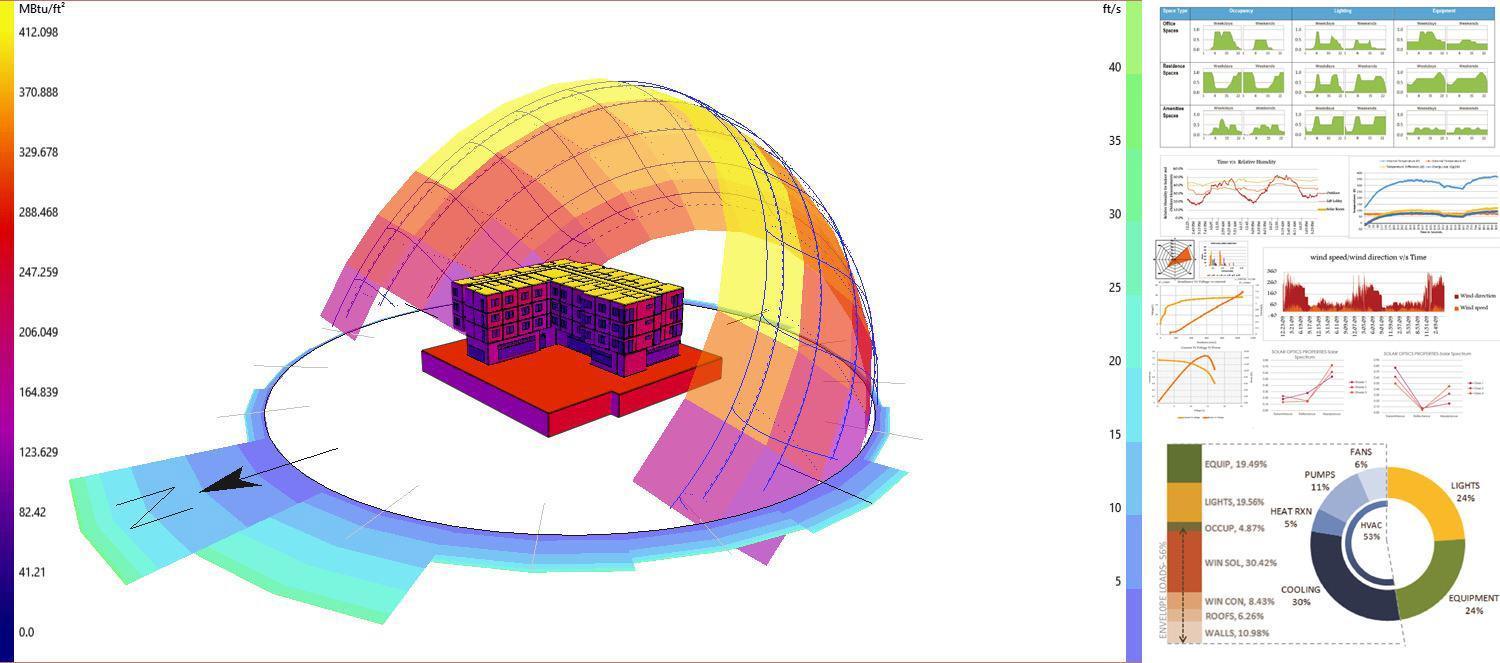
What Is Energy Modelling? Definition and Context for Enterprise Teams
Energy modelling is the computational process of simulating how a building or group of buildings will consume, generate, and lose energy across defined climatic and occupancy conditions. It uses parameters including building geometry, envelope construction, HVAC system specifications, glazing ratios, occupancy schedules, and local weather data to produce performance predictions.

At an enterprise scale, building energy modelling software extends this logic across multiple projects simultaneously, allowing planning teams to compare design options, stress-test compliance scenarios, and allocate sustainability targets across a portfolio rather than treating each building as an isolated calculation. According to the International Energy Agency, buildings account for 30% of global energy consumption and nearly 26% of global energy-related emissions. For construction firms managing dozens of active sites, energy modelling is the mechanism through which those numbers become actionable.
The discipline is distinct from energy auditing, which assesses existing buildings retrospectively, and from passive design analysis, which evaluates solar shading and daylight independently. Full building energy modelling software integrates these factors into a dynamic simulation that reflects real-world system interactions.
Why Energy Modelling Matters for Modern Planning Teams
Senior decision-makers at AEC firms face mounting pressure from three directions:
- regulatory bodies tightening performance standards
- institutional clients requiring verified sustainability credentials
- internal ESG reporting frameworks demanding measurable carbon reduction targets
Energy modelling sits at the intersection of all three.
From a regulatory standpoint, the EU's Energy Performance of Buildings Directive (EPBD) now requires near-zero energy building (NZEB) compliance for all new builds. In the UK, Part L of the Building Regulations sets benchmarks that must be modelled and evidenced before planning consent is granted. In the UAE, the Estidama Pearl Rating System and Dubai Green Building Regulations mandate energy performance verification at the design stage. Planning teams that cannot produce modelled evidence cannot compete.
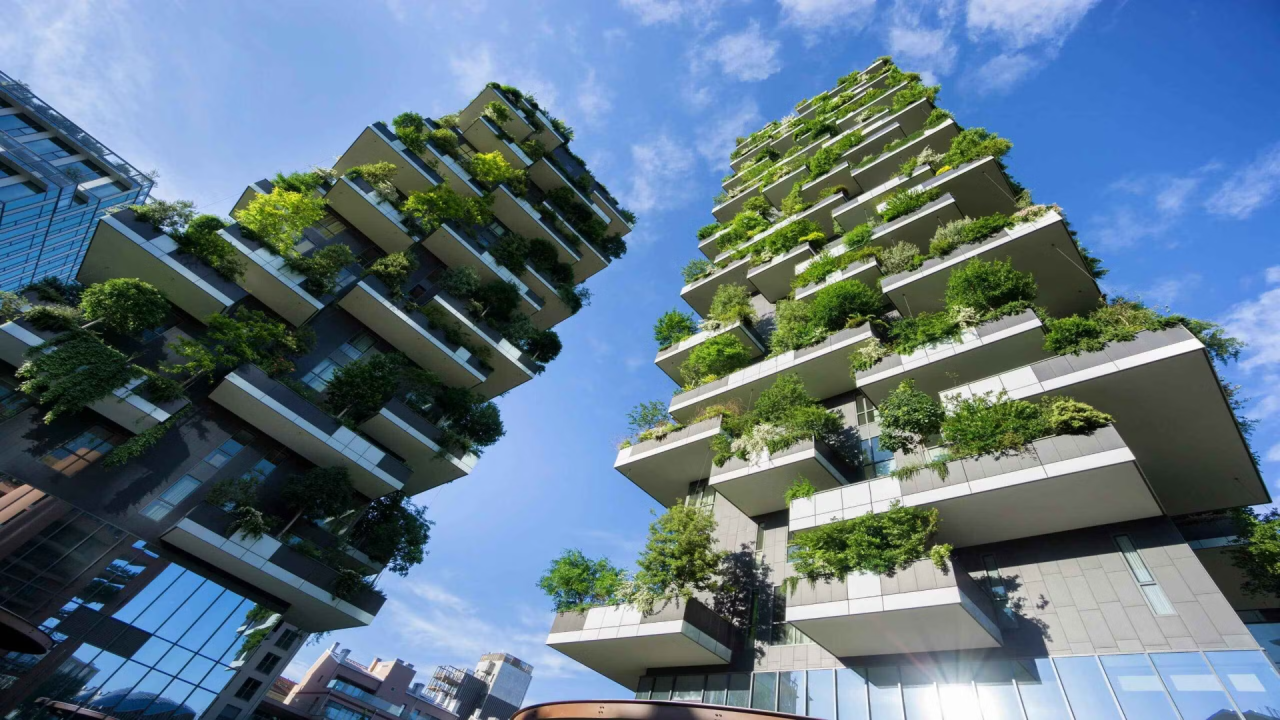
From a commercial standpoint, the best energy modeling software enables teams to optimise capital expenditure before construction begins. A study by the Rocky Mountain Institute found that integrated design processes incorporating energy modelling from the concept phase can reduce mechanical and electrical system costs by 30–50% on some project types, because right-sized systems cost less to procure and install.
Key Challenges in Traditional Energy Modelling Approaches
Despite its importance, energy modelling in most large AEC firms still operates in a state of structural inefficiency. The dominant tools — EnergyPlus, DesignBuilder, IES-VE, and OpenStudio — are powerful engines built for specialist engineers, not integrated into the design workflow where decisions are actually made.
- The first challenge is timing. Traditional energy modelling is typically commissioned at RIBA Stage 3 or later, after geometry and fabric specifications are largely fixed. By that point, the high-leverage decisions — building orientation, floor-to-ceiling heights, glazing ratios, and massing — have already been made. The model validates a decision rather than informing it.
- The second challenge is siloed data. Energy analysts work in separate software environments from the design team. BIM models in Revit or ArchiCAD must be manually exported, cleaned, and imported into simulation tools, a process that can take days, introduces errors, and discourages iteration. When design changes happen (and they always do), the model quickly becomes stale.
- The third challenge is portfolio aggregation. Most energy modelling tools are project-level instruments. There is no native mechanism for a Planning Director overseeing fifteen concurrent projects to see portfolio-wide carbon commitments, compare design options across sites, or identify which projects are at risk of missing performance targets. That information must be assembled manually, typically in spreadsheets, with all the version-control problems that imply.
- The fourth challenge is skill concentration. Proficiency in tools like EnergyPlus or IES-VE takes years to develop. When specialist energy consultants are brought in project-by-project, institutional knowledge does not accumulate. Each new project starts from scratch. Building energy modelling software capability, in other words, does not compound within the organisation.
How AI and Spatial Analytics Are Transforming Energy Modelling
The shift toward AI-native design platforms is addressing these challenges structurally. Rather than treating energy simulation as a downstream export from the design model, newer platforms embed energy analysis directly into the early-stage massing workflow, where the geometry still has enough degrees of freedom to respond to the findings.
Unlike traditional tools that require a complete, clean BIM model before analysis can begin, AI-powered building energy modelling software can generate approximate but directionally accurate energy performance estimates from conceptual massing geometry in real time. A planning team can compare three different building orientations, two different envelope specifications, and four different glazing ratios within a single working session — something that would have required weeks of consultant engagement under the old model.
Spatial analytics adds another layer. By integrating climate data, urban heat island coefficients, and solar radiation maps directly into the modelling environment, AI platforms give planning teams a geographically accurate energy baseline without manual data assembly. A site in Dubai behaves differently from one in Berlin, and a site in a dense urban canyon behaves differently from an open suburban plot. These distinctions, which energy consultants historically factored in manually, are now applied automatically.
Equally important is the shift from point-in-time snapshots to continuous modelling. In an AI-native workflow, the energy model updates as the design evolves. Design changes in the massing model propagate through the energy analysis automatically, keeping the performance picture current throughout the project lifecycle.
Energy Modelling Use Cases With Real-World Examples
Use Case 1: Multi-Site Portfolio Carbon Benchmarking
A large mixed-use developer managing a portfolio of 20+ projects across three climate zones needs to report portfolio-wide Scope 3 embodied carbon and operational energy intensity to its institutional investors. Under a traditional model, this requires commissioning individual energy studies for each project and then manually aggregating results — a process that takes months and produces a static snapshot rather than a live view.
With enterprise energy modelling software integrated into the design workflow, the development director can access a live dashboard showing energy use intensity (EUI) per project, variance against portfolio targets, and projected annual carbon output, updated as design development progresses. Projects at risk of missing their performance targets are flagged automatically, enabling early intervention rather than costly late-stage redesign.
Use Case 2: Envelope Optimisation at Concept Stage
An architecture firm designing a 45,000m² commercial development in a high solar gain climate needs to evaluate the energy implications of three facade options:
- a high-performance triple-glazed curtain wall
- a solid-spandrel unitised system with vision strips
- a terracotta rain-screen with punched windows
Under a traditional workflow, each option would require a separate energy consultant engagement. With integrated building energy modelling software, the design team models all three scenarios in parallel within hours and presents comparative kWh/m²/year figures alongside capital cost estimates at the design review stage, enabling a value-engineered decision grounded in performance data rather than aesthetic preference alone.
How Digital Blue Foam Supports Energy Modelling Workflows
Digital Blue Foam's Sustainability First module is built on the premise that energy performance decisions made at the massing stage have ten times the impact of those made at the detailed design stage. The platform provides real-time AI models for daylighting analysis, energy modelling, solar exposure simulation, and environmental performance scoring, all within the same interface where the design is being developed.
For enterprise teams, the platform's value is structural: it removes the workflow gap between design and performance analysis. Architects and urban designers working in DBF can see energy implications of their massing decisions as they make them, without exporting geometry or engaging an external consultant for every iteration. This is not about replacing specialist energy engineers. It is about ensuring that by the time specialist engineers are engaged, the fundamental design direction has already been energy-informed.
Enterprise clients — including Jacobs, Takenaka, Emaar, and Dubai Municipality — have used DBF's platform to stress-test design options across complex site conditions and meet regulatory performance requirements earlier in the design process. The platform supports multiple climate datasets, integrates with BIM workflows, and provides exportable performance reports structured for LEED, BREEAM, and Estidama submissions.
Explore Digital Blue Foam's full platform to understand how Sustainability First fits within a broader AI-native design workflow.
Best Practices for Energy Modelling Implementation at Enterprise Scale
Integrating energy modelling software into an enterprise AEC workflow is not simply a matter of procuring licenses. It requires a deliberate change management programme targeting three layers: process, data, and skills.
At the process level, the most important change is moving energy modelling upstream. If the first performance analysis happens after RIBA Stage 3, the tool is being used as a compliance checker rather than a design driver. Enterprise teams should establish a protocol requiring at least a conceptual energy analysis at Stage 1, with a more detailed assessment at Stage 2 before envelope specifications are confirmed.
At the data level, the priority is ensuring that climate data, site data, and BIM geometry are accessible to the modelling environment without manual re-entry. This typically requires establishing a data integration protocol between the BIM authoring tool (Revit, ArchiCAD, or Rhino) and the energy analysis platform. Any manual step in this chain creates a barrier to iteration and introduces version-control risk.
At the skill level, the goal is not to turn every architect into an energy specialist but to ensure that every design team has sufficient energy literacy to interpret performance outputs and act on them. This usually means pairing accessible, early-stage modelling tools with a structured training programme that builds internal capability rather than perpetual external consultant dependence.
Conclusion
Energy modelling software has matured from a specialist compliance tool into a core capability for any AEC firm serious about delivering high-performance, commercially viable buildings at scale. The firms winning the next decade of sustainable development contracts are not those with the best energy consultants on speed dial. They are those who have built energy performance analysis into the design process itself, at the point where design decisions still have the power to change outcomes.
For planning directors and chief architects evaluating how to embed this capability, the question is not whether to invest in energy modelling — regulation and client expectation have already answered that — but whether to continue treating it as a downstream validation exercise or to deploy it as a front-end design instrument. The evidence strongly supports the latter.
To see how Digital Blue Foam's Sustainability First tools integrate energy modelling into early-stage design workflows for enterprise teams, book a demo or explore the platform.
FAQs
What is energy modeling software used for in construction?
Energy modeling software is used to simulate a building's predicted energy consumption, peak demand, and carbon output under defined climate and occupancy conditions. In construction, it informs envelope design, HVAC system specification, glazing ratios, and orientation decisions. At an enterprise scale, it enables planning teams to manage performance targets across multiple projects simultaneously and produce evidence for regulatory compliance submissions, including LEED, BREEAM, and NZEB standards.
What is the best energy modeling software for large AEC firms?
The best energy modeling software for large AEC firms depends on when in the design process it is used. For detailed simulation at later design stages, EnergyPlus, IES-VE, and DesignBuilder remain the industry standard engines. For early-stage, integrated modelling at concept and schematic design phases, AI-native platforms such as Digital Blue Foam's Sustainability First module allow design teams to evaluate performance implications of massing decisions in real time, without specialist engineer engagement at every iteration.
How does building energy modelling software differ from BIM?
BIM (Building Information Modelling) tools like Revit and ArchiCAD are primarily documentation and coordination platforms. They manage geometry, components, and project data across the design and construction lifecycle. Building energy modelling software uses that geometry as an input to simulate thermodynamic behaviour. The two are complementary but distinct: BIM records what a building is; energy modelling predicts how it will perform. Effective enterprise workflows integrate both, with energy analysis running in parallel to design development rather than downstream from it.
At what design stage should energy modelling begin?
Energy modelling should ideally begin at the concept stage (RIBA Stage 1 or equivalent), when building orientation, massing, and floor-to-ceiling heights are still variable. The decisions made at this stage have the greatest impact on a building's energy performance and the lowest cost to change. Waiting until Stage 3 or later means that the high-leverage decisions have already been fixed, and the energy model can only validate rather than influence outcomes.
Can energy modeling software handle portfolio-level analysis?
Most legacy energy simulation tools are project-level instruments and do not natively aggregate performance data across a portfolio. Enterprise-grade platforms with portfolio management capabilities allow planning directors to view energy use intensity (EUI), carbon intensity, and compliance status across multiple concurrent projects on a single dashboard. This is increasingly important for firms with institutional investors requiring portfolio-level ESG reporting.